
Kim Kardashian recently made a shocking revelation: she has been diagnosed with a brain aneurysm. In a teaser for the upcoming season of The Kardashians, Kim shared a heart-wrenching moment where she undergoes an MRI scan and discusses her diagnosis with her family. She seems to imply that stress might be to blame, mentioning that doctors told her the aneurysm was caused by “just stress.” But is stress truly a direct cause of brain aneurysms, or is it a misconception?
Doctors are weighing in, and the consensus is clear: while stress can contribute to factors that may increase the risk of an aneurysm, it’s not the main culprit.

What Exactly Is a Brain Aneurysm?
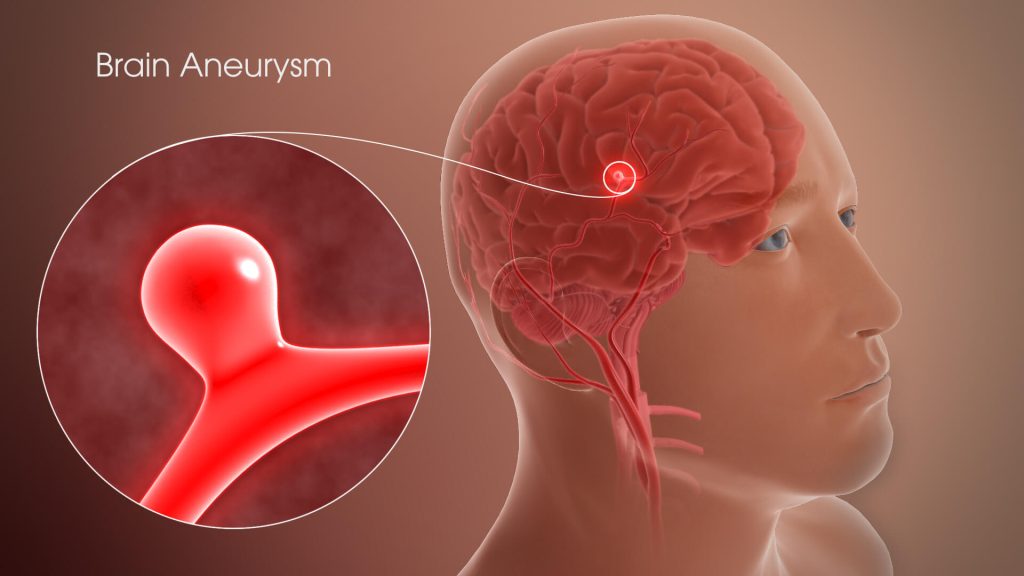
Before diving into the connection between stress and aneurysms, let’s understand what a brain aneurysm is. A brain aneurysm is a bulging, weakened area in a blood vessel in the brain. Think of it like a balloon forming on a garden hose, where a small, thin spot creates a “sack” that could eventually burst under pressure. Aneurysms are more common in women, and while one in 50 adults may have one, most people aren’t even aware of it unless it grows large or ruptures.
The Role of Stress in Brain Aneurysms
While it’s tempting to point the finger at stress, doctors are quick to clarify that stress alone doesn’t cause brain aneurysms. “It is not proven that stress alone causes an aneurysm,” says Dr. Greg Albers, co-founder of the health platform RapidAI. However, stress can lead to a rise in blood pressure, which in turn may increase the risk of aneurysm formation or growth.
Dr. Brian Snelling, director of cerebrovascular neurosurgery at Baptist Health South Florida, explains that the primary causes of brain aneurysms are genetics, high blood pressure, smoking, and age-related changes in arteries. Stress can, over time, contribute to higher blood pressure, which may worsen an existing aneurysm or make an individual more vulnerable to developing one.
The Real Risks: Genetics, High Blood Pressure, and Smoking
While stress can be a factor, experts stress that the real risk factors for brain aneurysms are much more straightforward: family history, high blood pressure, smoking, and age. “The culprits are genetics and hypertension,” says Dr. Snelling. If someone has a family history of aneurysms, they may be at a higher risk, and regular screenings could be recommended.
The good news is that most brain aneurysms don’t cause any problems. “Most brain aneurysms are silent,” says Dr. Snelling. They are often discovered incidentally when scans are done for unrelated reasons, and many remain harmless unless they grow large or rupture.
When Do Aneurysms Become Dangerous?
The real danger with brain aneurysms occurs when they rupture. A ruptured aneurysm can lead to a hemorrhagic stroke or subarachnoid hemorrhage, both of which are life-threatening conditions. “Aneurysms aren’t dangerous unless they leak or burst,” Dr. Snelling explains. This is why early detection and controlling blood pressure are so important for prevention.
Can Stress Cause a Rupture?
While stress may not directly cause an aneurysm, it can certainly make a rupture more likely by elevating blood pressure. Dr. Adam Arthur, a neurosurgeon and chief medical officer at Medtronic, points out that alleviating stress could help prevent a rupture. “Reducing stress is important for managing blood pressure and maintaining overall vascular health,” he says. Even if an aneurysm isn’t large enough to cause immediate concern, preventing a rise in blood pressure can be a key strategy in keeping the situation under control.

Dr. Adam Arthur
The Bottom Line: Is Stress the Problem?
In Kim Kardashian’s case, the stress from her public divorce and personal struggles could have played a role in raising her blood pressure. However, doctors agree that it’s not the sole factor behind the aneurysm. Genetics, lifestyle choices like smoking, and unmanaged blood pressure are far more likely to be the root causes.
If you have a family history of brain aneurysms or risk factors like high blood pressure, it’s important to get screened regularly. And if you’re feeling stressed, remember: managing stress through relaxation techniques and keeping your blood pressure in check is always a good idea.
In Kim’s case, stress might not have caused the aneurysm, but it’s clear that taking care of her mental and physical health will be crucial in managing her condition going forward.