The will had been read.
The laughter still echoed in the house.
And Claire Whitmore stood at the edge of the field, staring at the barn her father left her — the one he’d forbidden her to enter for more than a decade.
The others got what mattered: Sam got the house, Bryan got the savings and the boat.
Claire? She got a structure of rotting beams and silence.
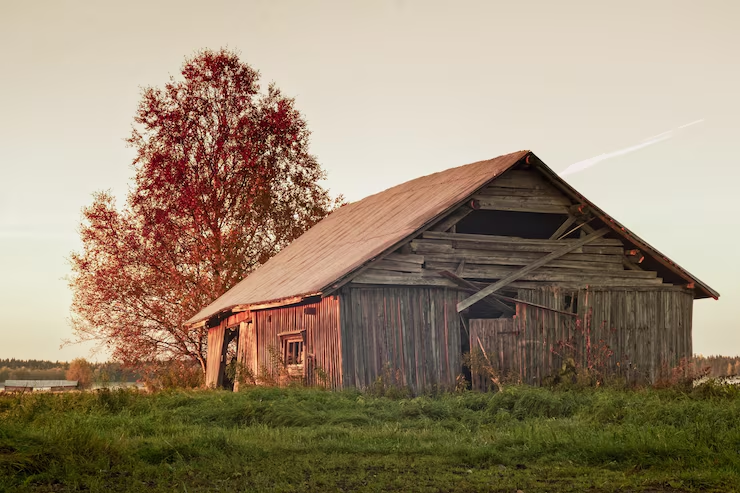
“The barn,” Bryan had said with a smirk. “Guess Dad finally gave you something to fix.”
“Maybe you’ll find your self-respect in there,” Sam added.
They laughed. She didn’t.
It wasn’t the inheritance that hurt. It was what it meant — that even after all those long nights caring for their dying father, her devotion was worth less than a rusted lock and a pile of dust.
The Barn That Was Off-Limits
The words still rang in her head: “Don’t go in there, Claire. Ever.”
She had been sixteen when her father said it, his tone so sharp she never questioned him again.
And now, he was gone.
And the barn — his secret — was hers.
The field was quiet as she crossed it. Only the wind moved, stirring the tall grass around her boots. The setting sun painted the barn’s wood a deep amber, and for a brief second, it looked alive.
The padlock on the doors was old, the metal brittle with rust. She hesitated before touching it.
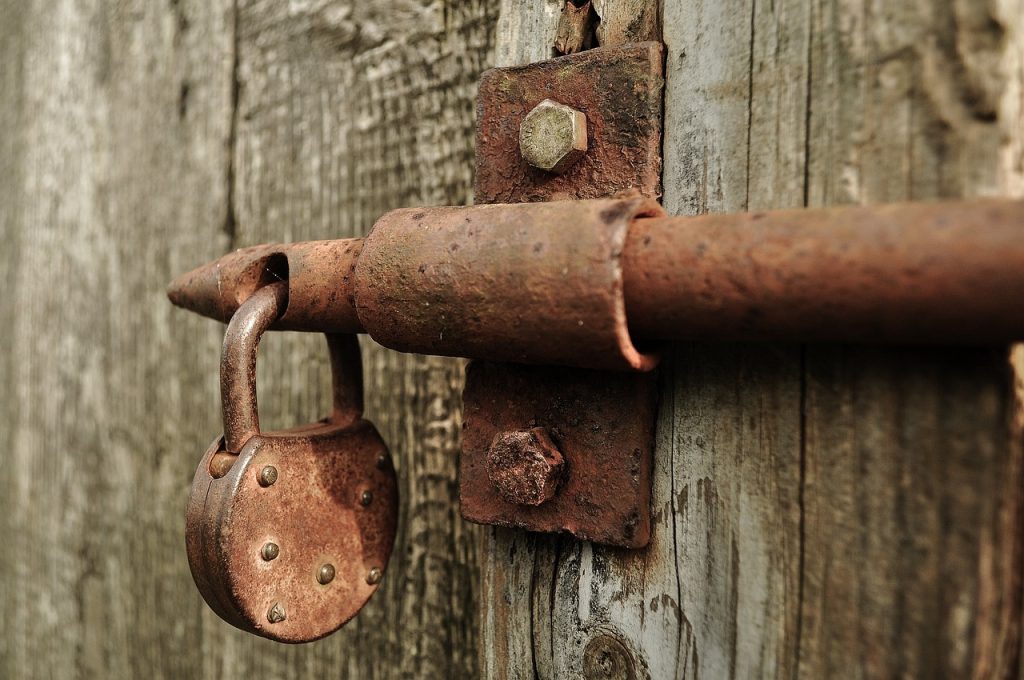
“What did you hide in here, Dad?” she whispered.
The key had come taped to the envelope of the will. One word written in her father’s shaky handwriting: “Yours.”
Inside the Dust
The door creaked open with a groan that seemed to exhale a decade of secrets.
Dust spiraled in the golden light, swirling like smoke.
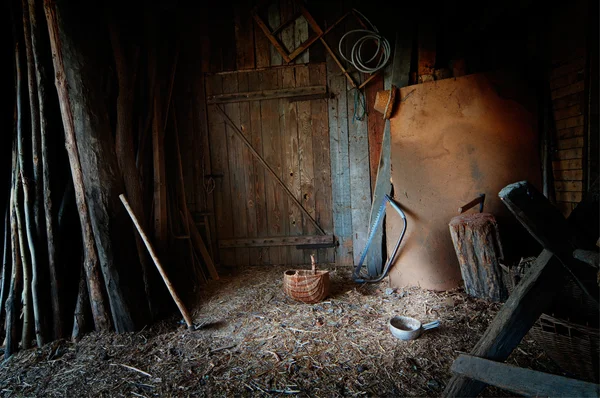
At first, she saw nothing unusual — just tools, broken boards, an old tractor buried beneath cobwebs. But as her eyes adjusted, she noticed something strange: a wooden partition built along the far wall, sealed with nails far too new for the rest of the structure.
Her heartbeat quickened.
She crossed the room slowly, her hand brushing against the cold metal of the tractor’s frame. Each step echoed in the hollow silence. The boards creaked beneath her.
When she reached the wall, she saw something carved into one of the beams — faint, but unmistakable: “For Claire.”
The Secret Room
She found a crowbar hanging on a peg near the door.
Her hands shook as she wedged it beneath the first plank and pried it loose. The nails screamed as they gave way.
Behind the barrier was another door — small, narrow, and painted blue. The paint had chipped and peeled, but she recognized it instantly.
Her childhood bedroom door.
She remembered the day it disappeared — when her father had replaced it after the accident.
The night her mother died.

Her knees went weak.
What Was Hidden
The air inside the small hidden room was thick and dry. The window had been boarded up from the inside.
Against the far wall stood a table, and on it — boxes, a record player, and a single lamp coated in dust.
She turned the lamp’s knob. It flickered, then glowed.
Inside the boxes were hundreds of envelopes — each one with her name written on it in her father’s handwriting.
The first envelope was dated “June 14, 2013.”
The year her mother passed. The year he locked the barn.
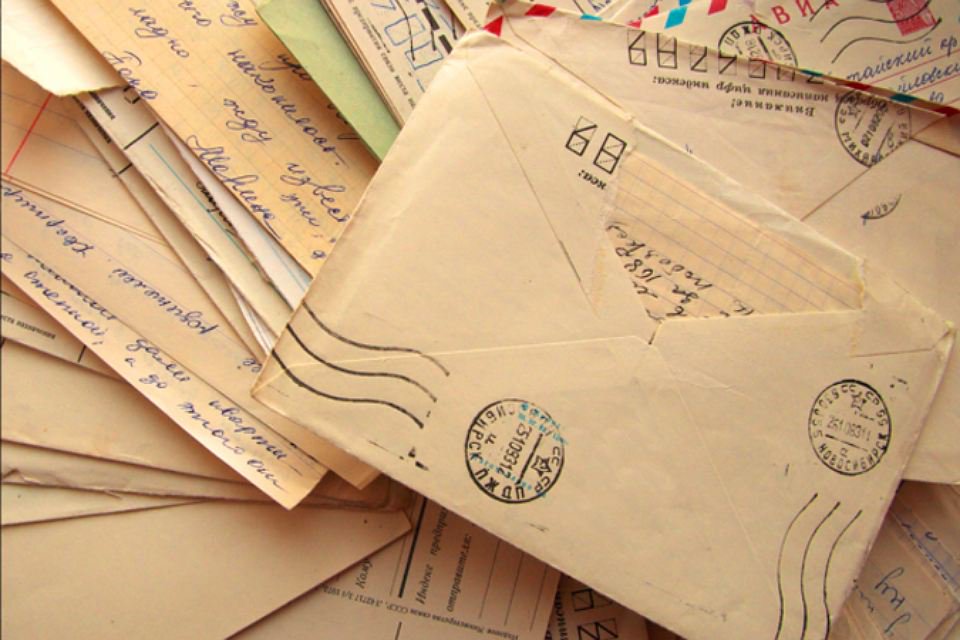
Her hands trembled as she opened it.
“Claire, if you’re reading this, it means I didn’t find the courage to say what I should have. I’m sorry for that. This is my place of honesty — the one space I kept for us. For you.”
She read through tears as the words blurred.
Inside each letter, he wrote pieces of himself — memories of her childhood, confessions, stories about her mother, apologies for the words he never said out loud.
Every note ended the same way:
“You were my greatest joy.”
What He Left Behind
Claire sank onto the stool beside the table, her hands covered in dust and ink. The letters stretched on for years — one for every birthday, every Christmas, every missed conversation.
And then, at the very bottom of the stack, one envelope stood out.
It wasn’t dated.
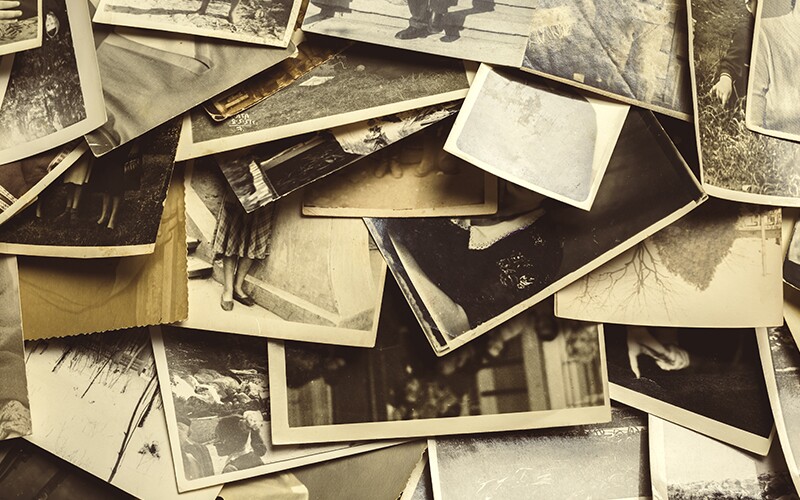
She opened it. Inside was a small photograph — her father and mother, standing in front of this very barn, smiling.
On the back, her father had written:
“Some treasures can’t be sold. Some homes don’t have walls. You were both.”
A Different Kind of Inheritance
When her brothers called that evening, asking if she’d “found anything worth selling,” she didn’t answer.
She stayed in the barn long after dark, the soft hum of cicadas surrounding her as she reread his letters beneath the flickering lamplight.
For the first time in years, she didn’t feel cheated.
The barn wasn’t a punishment. It was a gift.
Not of money — but of truth, love, and closure.
The next morning, she unlocked the doors wide, letting the sunlight flood in.
The barn wasn’t empty anymore.
It was full of everything that mattered.
A Different Kind of Inheritance
When her brothers called that evening, asking if she’d “found anything worth selling,” she didn’t answer.
She stayed in the barn long after dark, the soft hum of cicadas surrounding her as she reread his letters beneath the flickering lamplight.
For the first time in years, she didn’t feel cheated.
The barn wasn’t a punishment. It was a gift.
Not of money — but of truth, love, and closure.
The next morning, she unlocked the doors wide, letting the sunlight flood in.
The barn wasn’t empty anymore.
It was full of everything that mattered.