
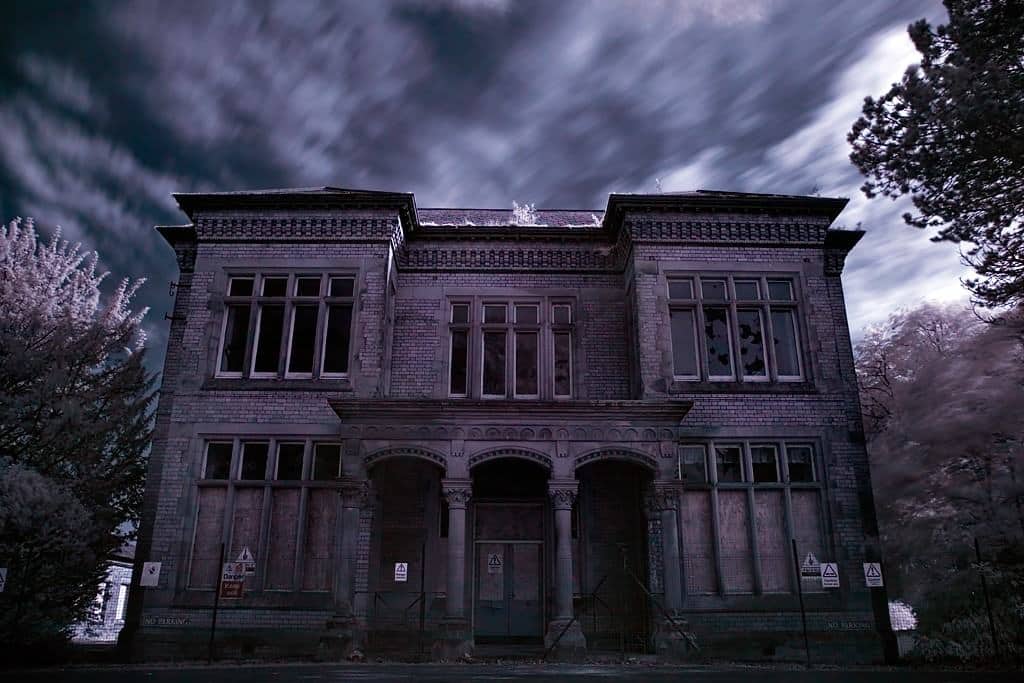
It was the kind of day where the sky seemed to hang heavy with clouds, and the air smelled of rain—damp, cool, and still. Elliot had always been drawn to abandoned places, intrigued by their silence and mystery. So when he heard about the old asylum on the outskirts of town, he couldn’t resist. It had been closed for years, long since replaced by newer facilities, but its eerie reputation lingered in whispers. No one spoke of it openly, but stories had been passed down about the asylum’s dark past.
“Some places are better left forgotten,” his friend had warned him, but the pull of the unknown was too strong for Elliot to resist.
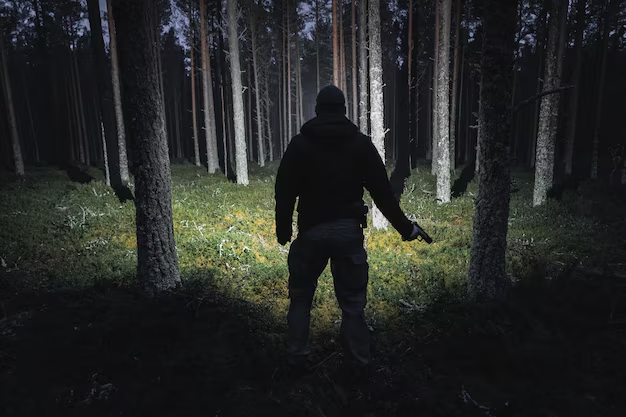
He packed his bag with a flashlight, some snacks, and his camera—just in case the day turned into an adventure worth documenting. The journey through the woods to the asylum was quiet, save for the occasional rustle of leaves and the distant sound of wind moving through the trees. As he approached the building, the sheer size of it struck him. The asylum loomed like a ghost from a forgotten era, its faded green walls barely visible under layers of peeling paint.
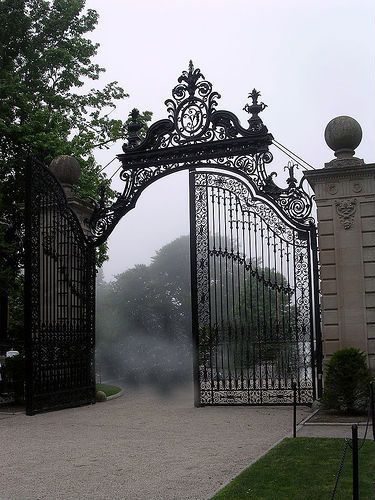
The gates were rusted and half-broken, the entrance long since abandoned. With a steady hand, Elliot pushed open the creaky gate, its eerie groan making his skin prickle. He stepped inside.
The grounds were overgrown, wild vines climbing the once-sturdy walls. The windows of the building were shattered, their broken glass glittering like shattered memories in the dim light. The air inside felt heavier, as if the building itself was still alive with the spirits of its past.
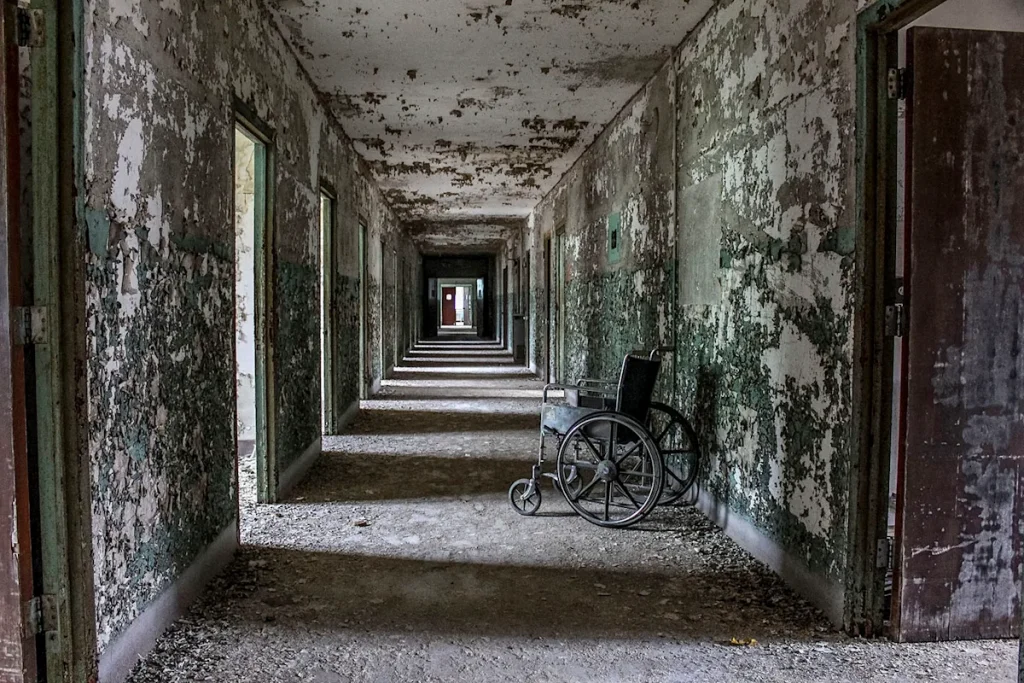
He entered cautiously, his footsteps echoing through the hallways as he moved deeper into the asylum. The corridors stretched on, their walls coated with mold and peeling wallpaper. The smell of mildew mixed with the stale air. Old wheelchairs, abandoned in corners, sat like forgotten relics of the past.
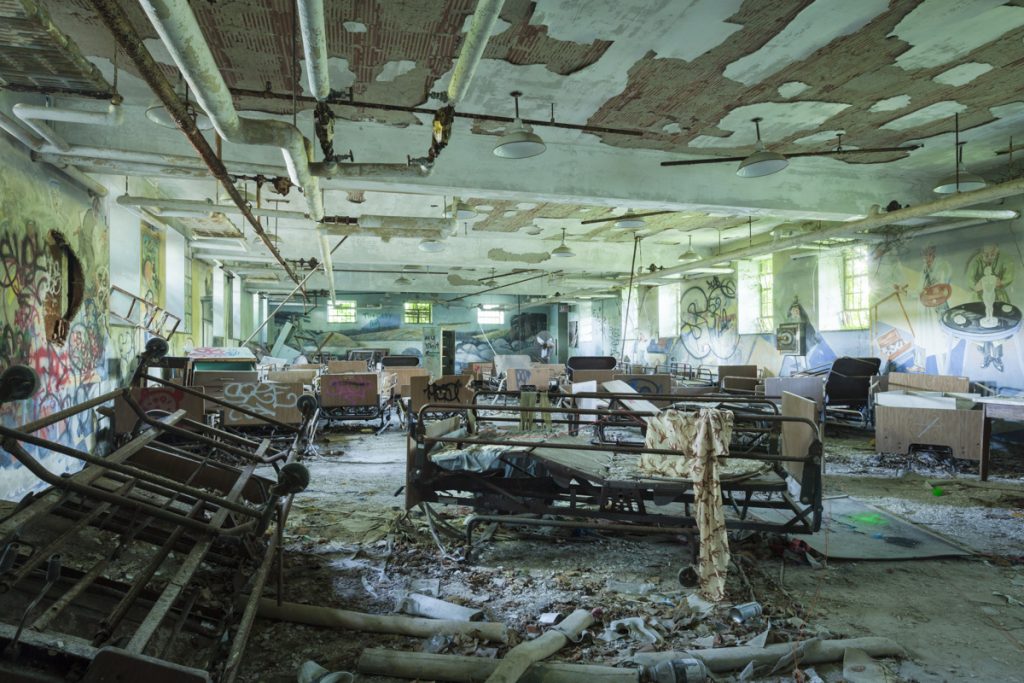
He wandered down one hallway and stopped in front of an old door, its frame cracked and splintered. He pushed it open, and the room inside seemed frozen in time. A row of metal beds lined one wall, their frames covered in dust. The faded sheets on each bed were still tangled, as if someone had just left in a hurry. The faint outline of where a body might have once lain could still be seen on the mattress, covered in a thin layer of grime.
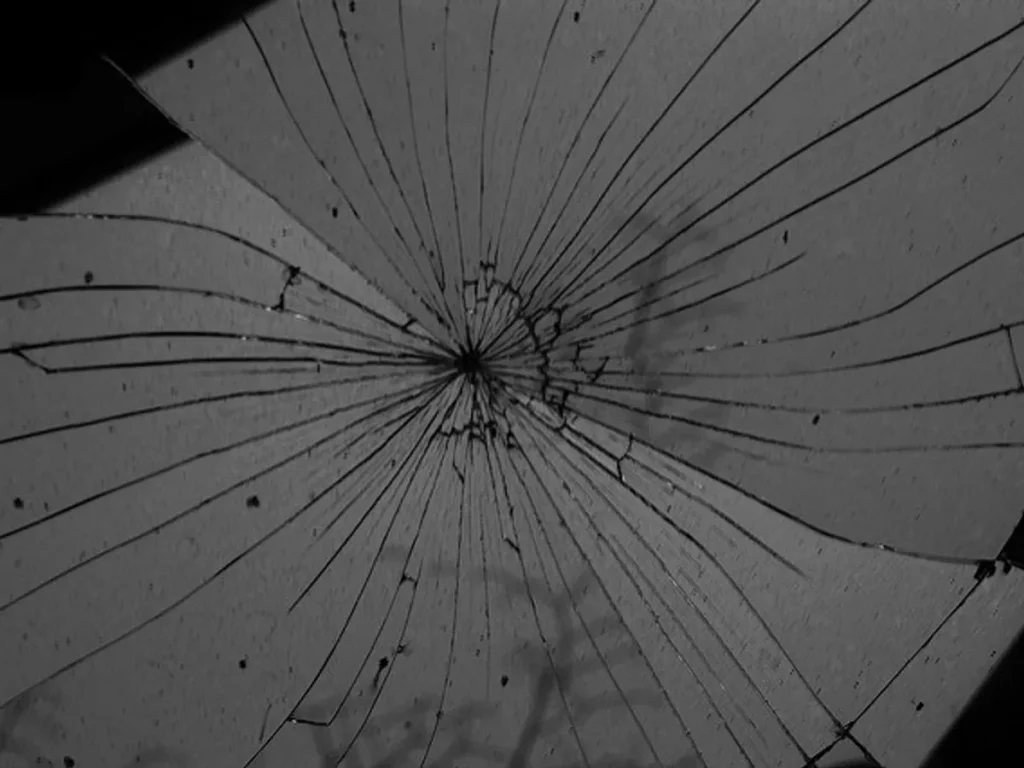
As Elliot stepped further into the room, his eyes caught a faint glimmer in the corner—a small, broken mirror. The reflection seemed distorted, like it was showing something that wasn’t there, something beyond the present moment. He stepped closer, and his breath caught in his throat. The reflection wasn’t his own; instead, it was a pale, hollow figure—its eyes dark and hollow, staring back at him from the other side of the glass. He blinked and rubbed his eyes, but when he looked again, the figure was gone.
Shaking off the unease creeping up his spine, Elliot continued his exploration, trying to rationalize what he had seen. His camera clicked as he documented the scene—his lens capturing the abandonment of the asylum. But something about this place was wrong. It felt like the walls were closing in on him, and a sense of dread settled over him.
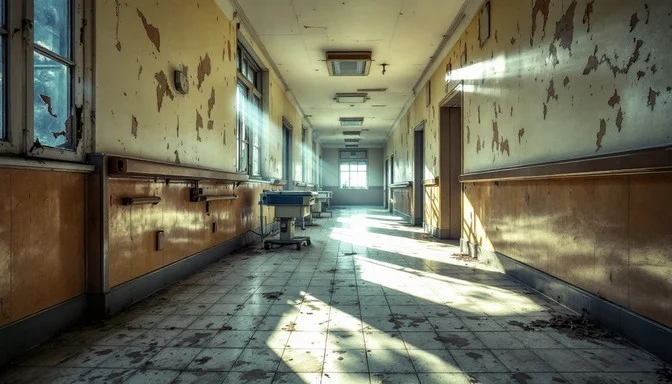
He made his way to the next hallway, where the ceiling had collapsed in places, leaving jagged remnants of plaster and wood hanging precariously overhead. The air was thick with dust, and the floor was littered with broken furniture and forgotten belongings. The faint sound of something dragging across the floor echoed from the end of the hall.
Elliot’s heart raced as he turned toward the sound. At the far end of the hallway, he saw it—a wheelchair, slowly moving across the floor as if pushed by invisible hands. It stopped just before reaching him, and for a moment, there was an unnerving silence.
The atmosphere in the asylum felt different now. He could almost hear whispers, faint voices murmuring from the shadows, but when he turned to look, no one was there. The temperature in the hallway dropped, and his breath fogged in the air. Elliot felt a chill down his spine, but his curiosity got the better of him. He stepped closer to the chair, his flashlight flickering.
Suddenly, a door at the far end of the hall slammed shut, causing Elliot to jump back. The force of it shook the building, and dust cascaded from the ceiling. With his heart pounding, Elliot bolted down the hallway, not wanting to be trapped inside the building with whatever was lurking in the darkness.
He made his way through the maze-like corridors, searching for an exit, but every door he tried seemed to lead him further into the heart of the asylum. The once-empty rooms were now filled with strange, unsettling objects—old medical equipment, abandoned journals, and faded photographs. One picture caught his eye: a black-and-white photo of a group of patients in wheelchairs, their faces expressionless. In the back of the photo, a woman stood, her eyes hollow, a faint smile on her lips.
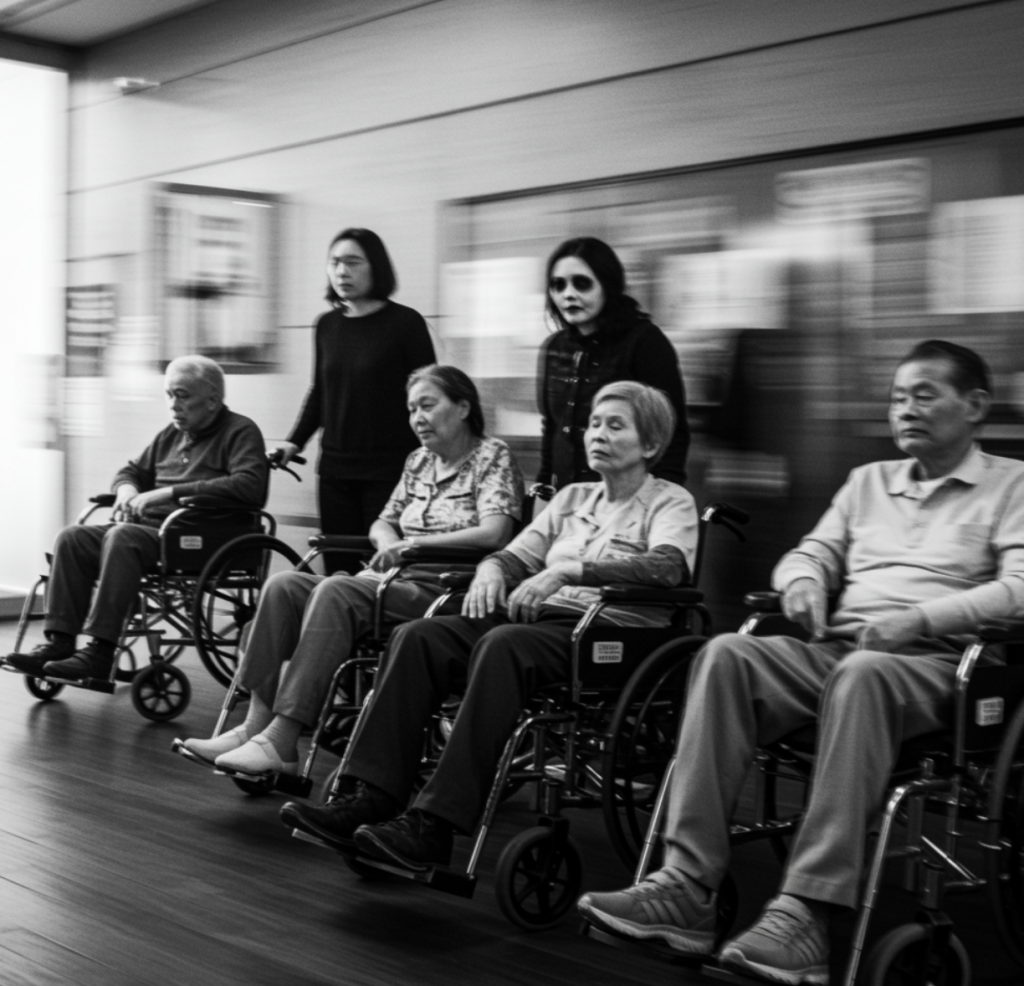
Elliot’s hand shook as he reached for the photo. He tried to focus on it, but the moment he touched it, the lights in the building flickered. The temperature dropped again, and a sudden noise echoed from somewhere behind him. It was the sound of footsteps, slow and deliberate.

Elliot turned around, his heart racing, but there was no one there. The footsteps stopped.
Something in his gut told him it was time to leave.
He retraced his steps, the air growing heavier with each passing moment. As he reached the door he had entered, the wheelchair he had seen earlier reappeared in front of him, blocking his path. He could feel the presence of something—or someone—standing behind him, but when he turned, there was nothing.
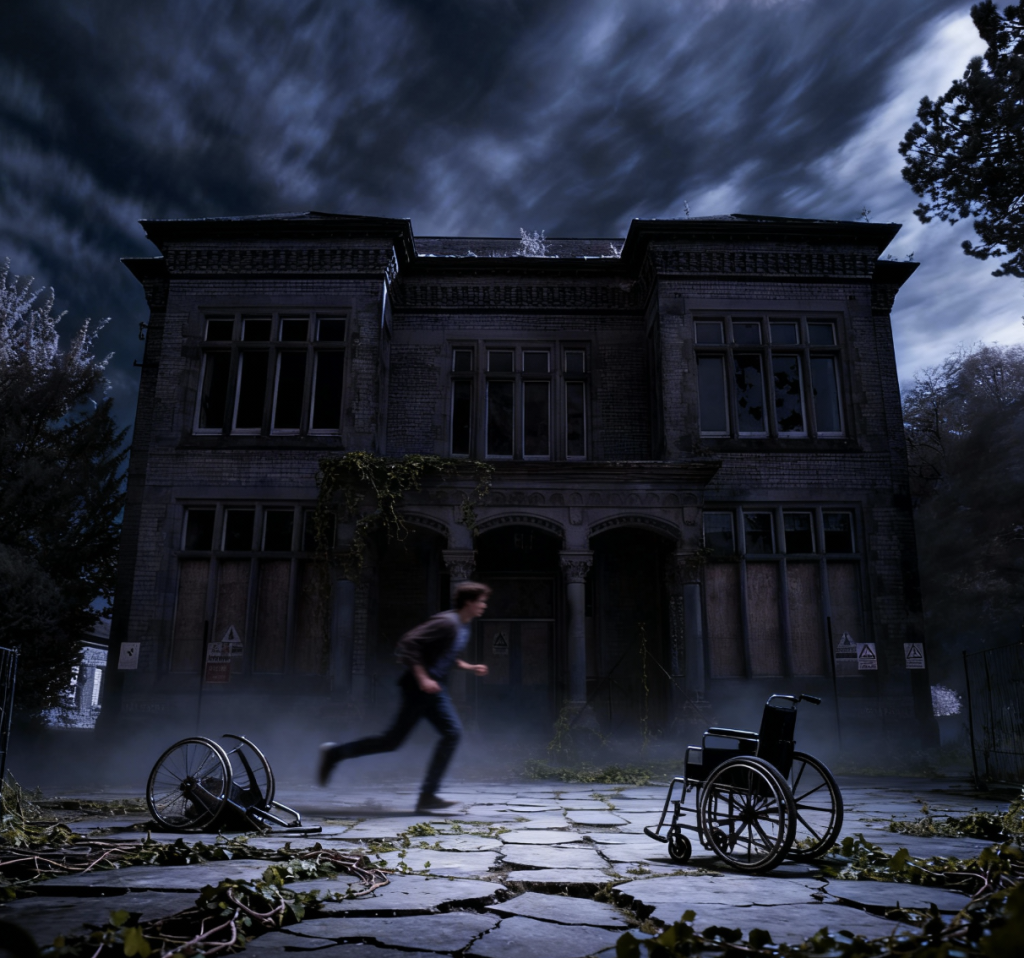
Without thinking, Elliot rushed past the wheelchair and ran into the overgrown courtyard outside. He didn’t stop until he was out of the gates and back on the path leading to the town. But even then, the image of that hollow-eyed woman from the photograph haunted him. What had he uncovered in that asylum? The mysteries of the past had found their way into the present, and Elliot knew that he had uncovered something dark, something that should have remained hidden.
The abandoned asylum had not let him go. It never would.