
The Red Ochre Enigm
Cambridge, Massachusetts. Winter, 1969.
Jane Britton was brilliant. A 23-year-old anthropology graduate student at Harvard.
She was obsessed with the ancient world. She didn’t miss exams.
So when she didn’t show up for her morning test, her boyfriend knew something was wrong.
He went to her apartment. The door was unlocked.
He found Jane lying on her mattress.
She had been bludgeoned to death.
But it was the details of the scene that terrified the police.
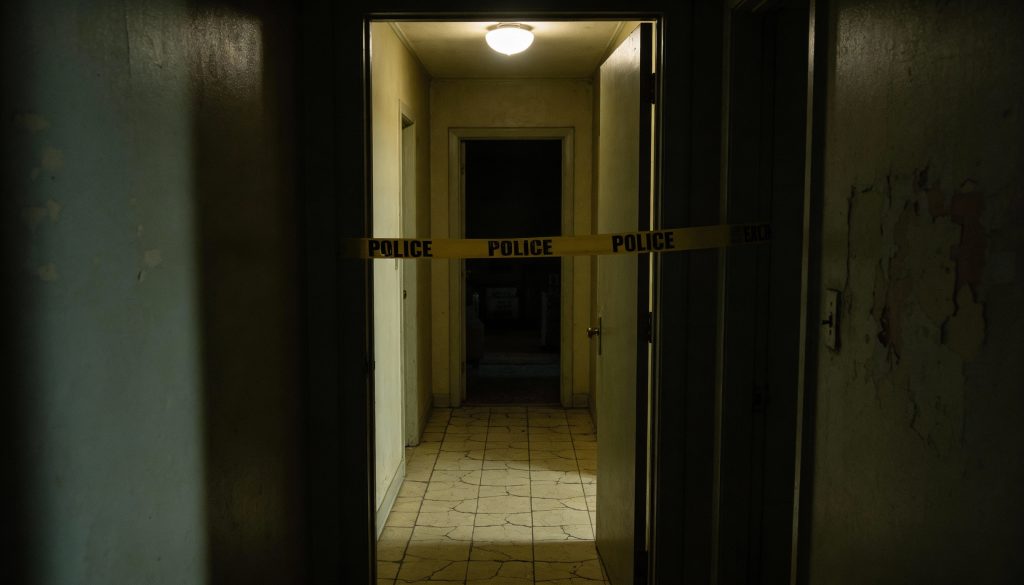
Her body was covered in a red powder.
Investigators froze. Jane was studying Iranian burial rites.
In those ancient cultures, red ochre was used to cover the dead before the journey to the afterlife.
Was this a ritualistic killing? Was it a fellow academic? A cult?
The press went wild. They called it an “Archeological Murder.”
A decorative stone was missing from the apartment. They assumed it was the murder weapon.
Years turned into decades. The “Ritual Killer” theory fell apart when they realized the red powder wasn’t ochre.
It was just flake from her own painting supplies. A terrifying coincidence.
The stone? It was found later in the apartment.
The case sat in a cardboard box for nearly 50 years.
Until 2017.
DNA technology had finally caught up. They ran a tiny speck found at the scene.
It wasn’t a professor. It wasn’t a cult leader.
It was Michael Sumpter. A serial rapist who had died of cancer in 2001.
He had simply seen an open window.
But the final story is a mystery that even DNA couldn’t solve.