
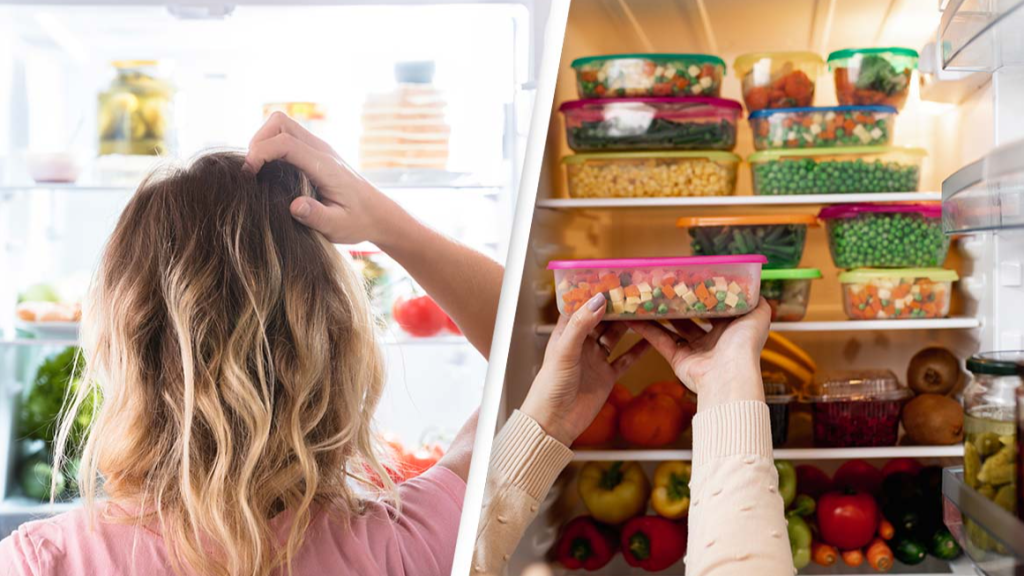
We all know that fridges are our kitchen’s best friends, keeping food fresh, safe, and ready to eat. But not every item belongs in the cold confines of the fridge. In fact, refrigerating some foods can spoil their flavor, texture, or even make them go bad faster! Here’s a list of surprising foods that should never see the inside of your fridge. Don’t worry, we’ll explain why and offer you the best tips on how to store them right!
1. Potatoes
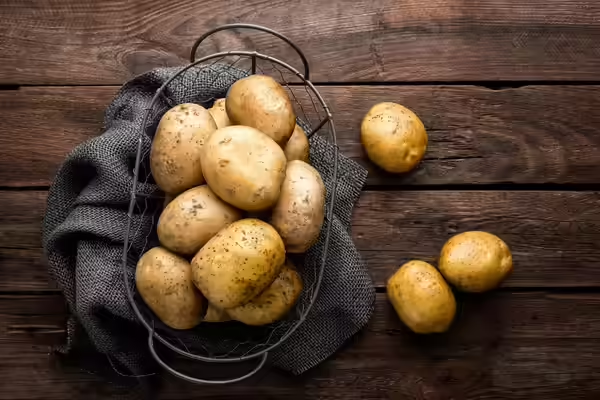
We love our potatoes, whether they’re roasted, mashed, or fried. But here’s the kicker: putting them in the fridge can make them sweet in an undesirable way. Cold temperatures change the starch into sugar, affecting their taste and texture. Keep them in a cool, dark place in your kitchen and enjoy them fresh without the weird sugar twist.
2. Bananas
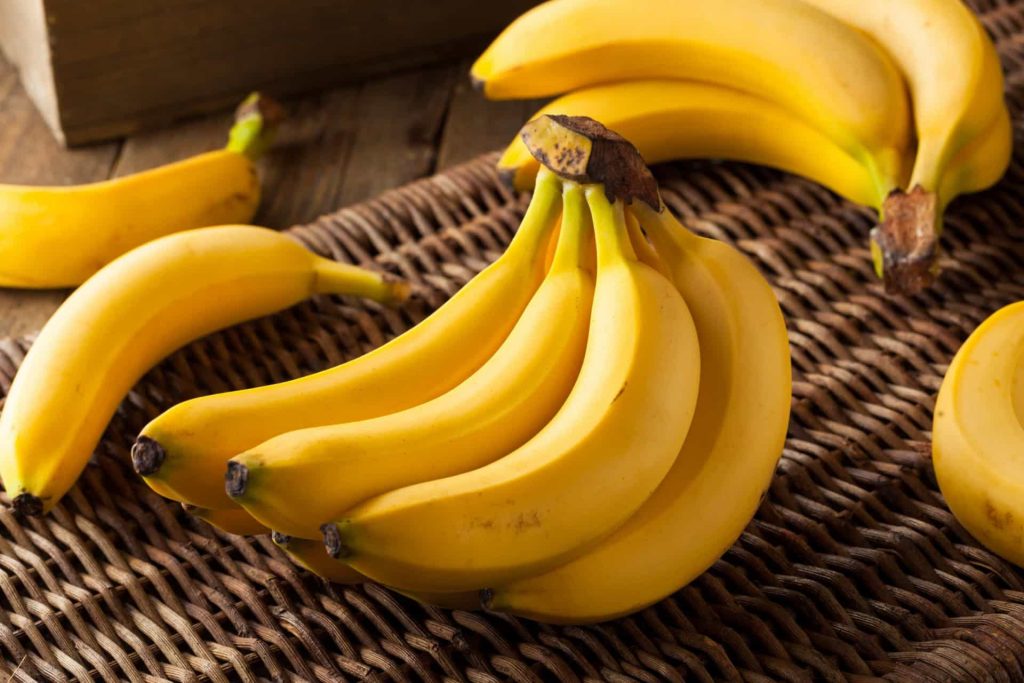
Bananas are meant to ripen naturally at room temperature, so avoid the fridge at all costs. Refrigeration can turn them black faster than you can say “smoothie.” Instead, let them ripen on your kitchen counter. Not only will they stay fresher, but they’ll also have a better taste. And the bonus? Bananas are loaded with potassium and great for heart health!
3. Whole Melons
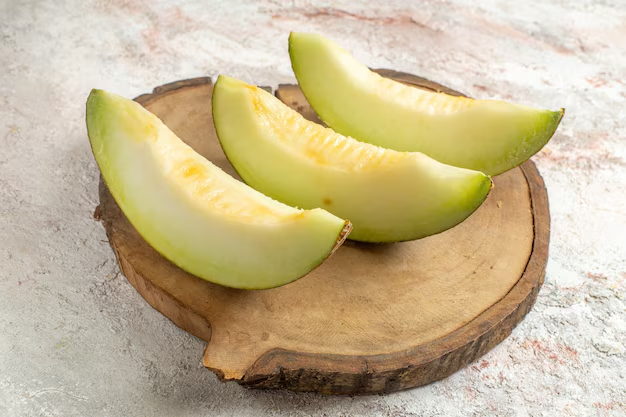
You might think melons need to be chilled to stay fresh, but refrigeration can actually speed up the rotting process. A whole melon should stay on your kitchen counter, away from cold temps. Once cut, however, store it in the fridge, but keep that rind on until you’re ready to enjoy it. And yes, you can enjoy it sooner rather than later!
4. Basil
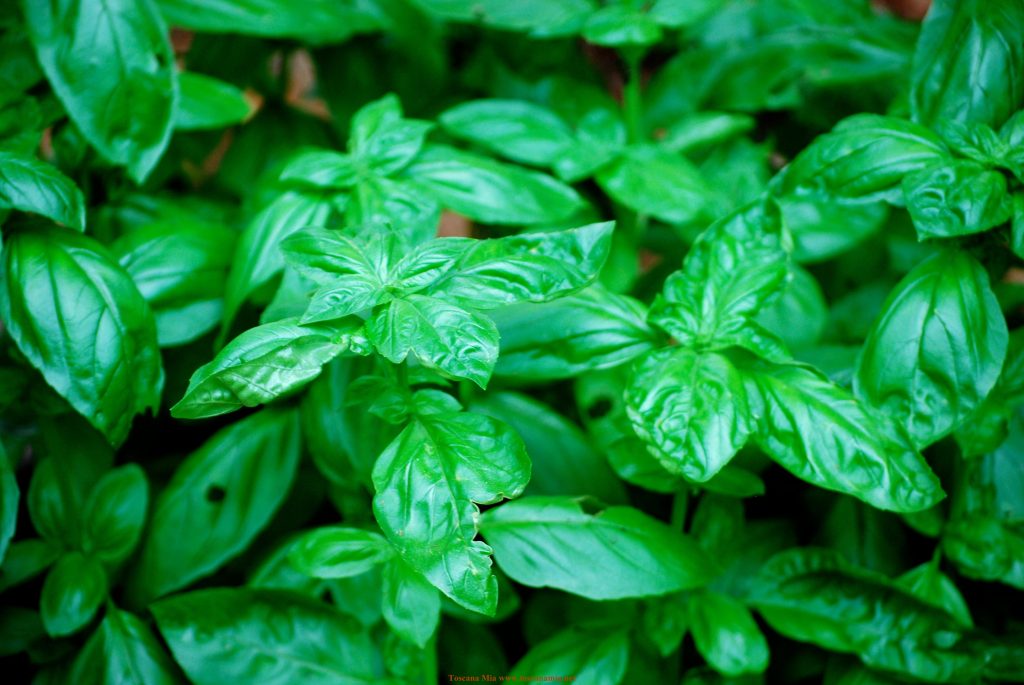
Ah, basil—the herb that turns any dish into a masterpiece. But if you store it in the fridge, expect wilted, blackened leaves. Keep your basil in a glass of water (like a flower arrangement!) and place it in a sunny spot in your kitchen. This simple trick will keep it fresh, vibrant, and ready to infuse your meals with its fragrance.
5. Onions
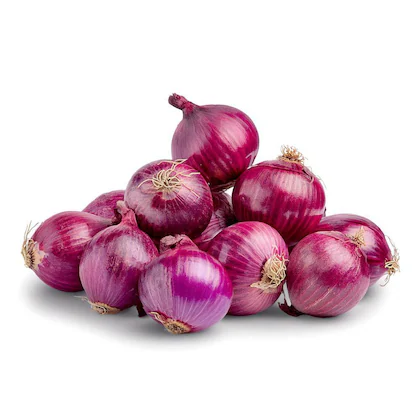
Onions may last longer in the fridge, but doing so can change their texture and flavor. For optimal freshness, store them in a dry, cool spot with proper ventilation, away from your potatoes! And while we’re at it, don’t forget that onions and potatoes are roommates that should never meet in the fridge. They mess with each other, causing faster sprouting and spoiling.
6. Coffee
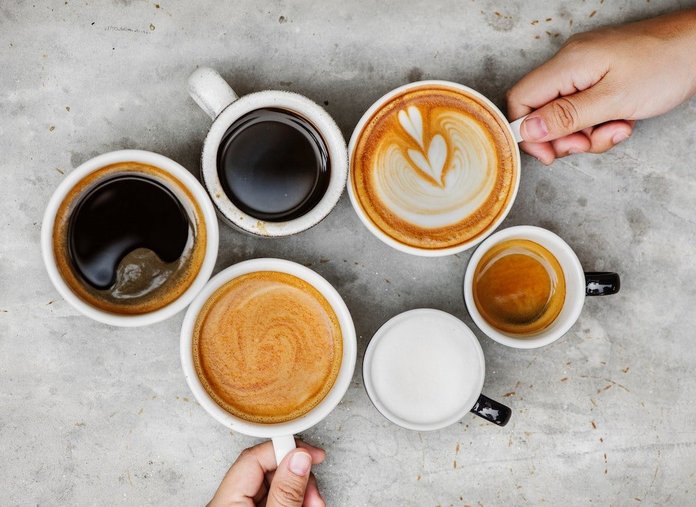
Storing your coffee beans in the fridge seems like a good idea, right? Wrong! The cold and moisture of the fridge can ruin the flavor of your coffee, making it taste stale or moldy. Keep your beans in an airtight container, away from sunlight, and let them stay in a cool, dry place for the best brew possible. Your morning cup will thank you!
7. Garlic
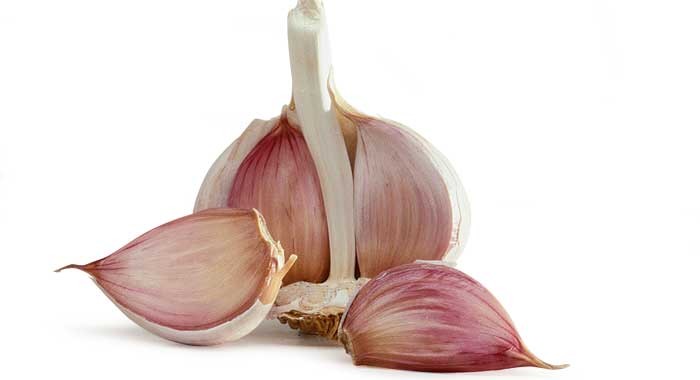
Garlic may seem tough enough to handle fridge life, but cold air will cause it to sprout early and develop mold. For long-lasting garlic, store it in a dry, cool place. If you want it to sprout quickly for some new cloves, that’s the only time the fridge should see it. Otherwise, keep it out!
8. Hot Sauces

Yes, even that bottle of spicy goodness! While it’s tempting to store hot sauce in the fridge, it’s unnecessary. The vinegar and preservatives in most hot sauces will keep them from spoiling at room temperature. Keep that bottle on your kitchen counter and watch how the flavor stays punchier and bolder!
9. Bread
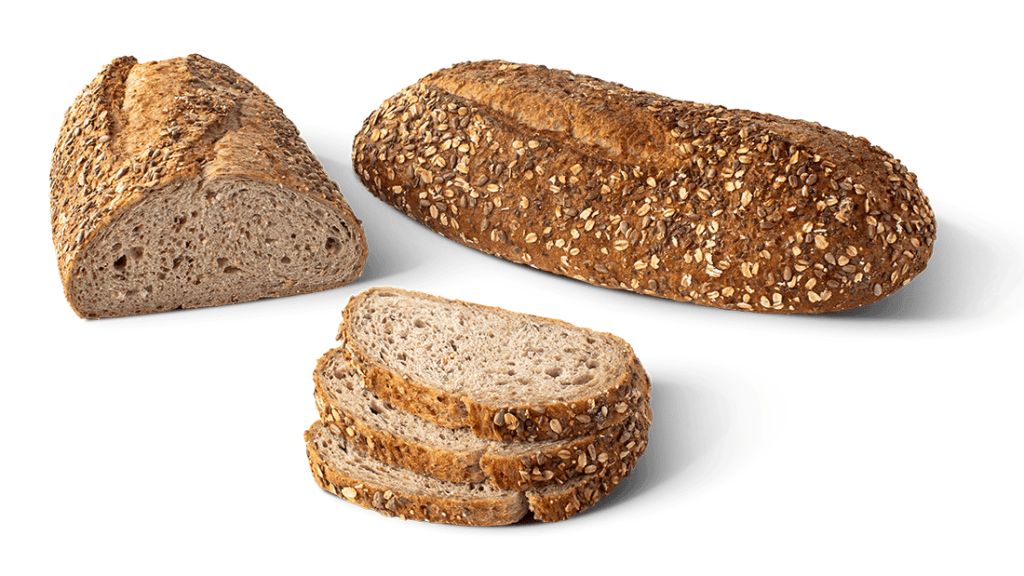
Storing bread in the fridge isn’t just a mistake—it accelerates the staling process. You know that hard, dry crust you get from refrigerating bread? That’s the fridge working its magic. Instead, leave bread on the kitchen counter, or freeze it if you want it to last longer. A fresh loaf stays perfect for sandwiches or toast!
10. Oils
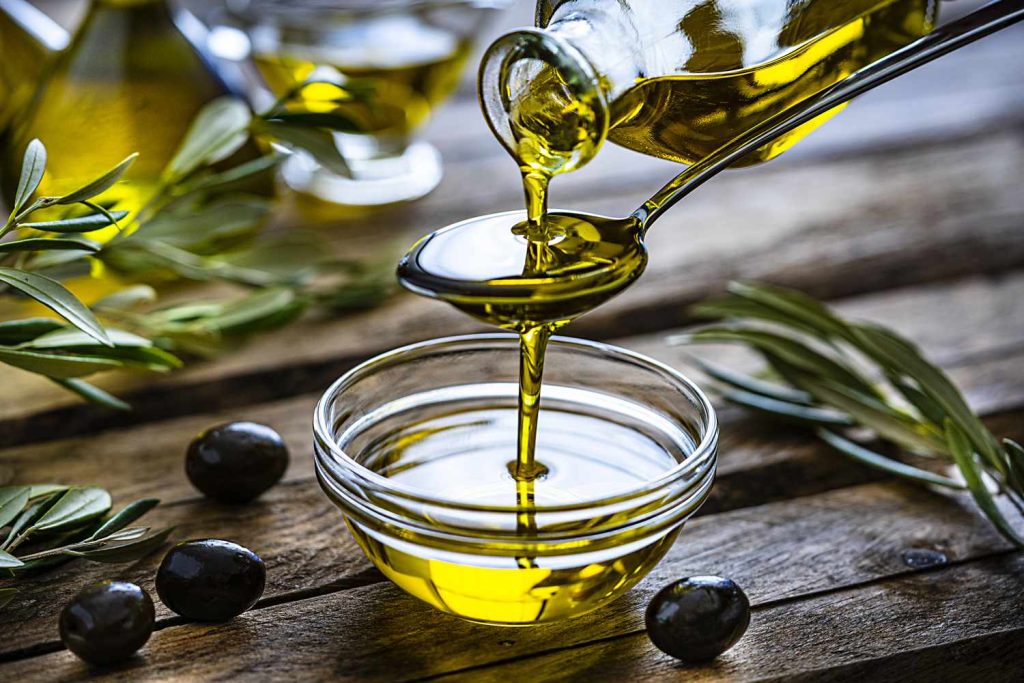
That bottle of olive oil should stay far away from your fridge! Cold temps make oils solidify, messing with their consistency. Instead, store your oils in a cool pantry or cabinet. Doing this will ensure they stay in perfect condition to add flavor to your favorite dishes.
11. Honey
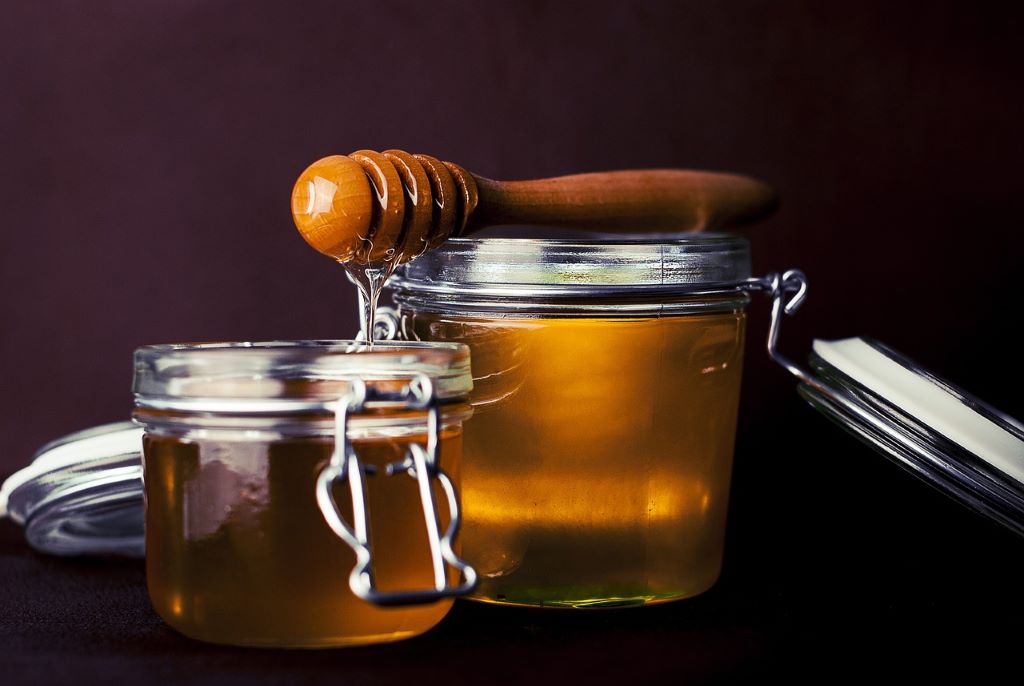
Honey is one of nature’s longest-lasting foods, and it only gets better when stored properly. Refrigerating it causes crystallization, making it hard to scoop out. Keep your honey at room temperature to ensure it stays silky smooth and ready to sweeten your tea, toast, or oatmeal. The best part? It can last forever!
12. Pumpkin
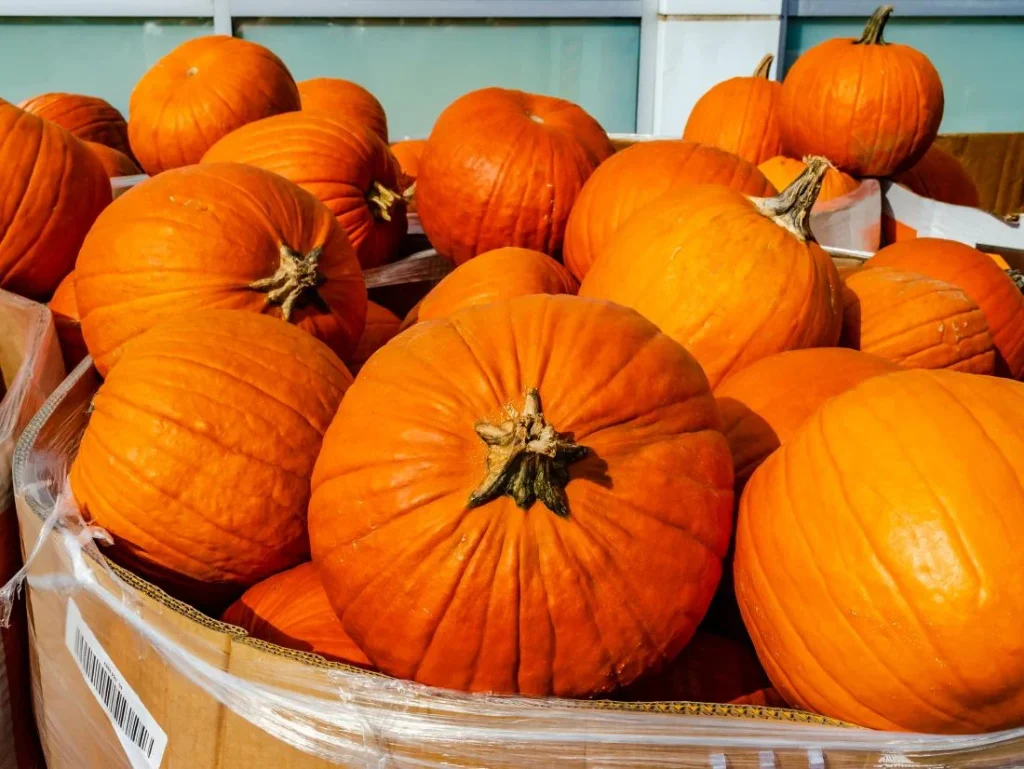
For all you pumpkin lovers, be warned: refrigeration actually shortens the life of your pumpkin. Keep your pumpkins in a cool, dry spot. They’re best enjoyed naturally ripened at room temperature, so don’t toss them in the fridge after Halloween’s over—store them in your kitchen and take your time to enjoy!
13. Apricots, Kiwis, Peaches, and Mangoes
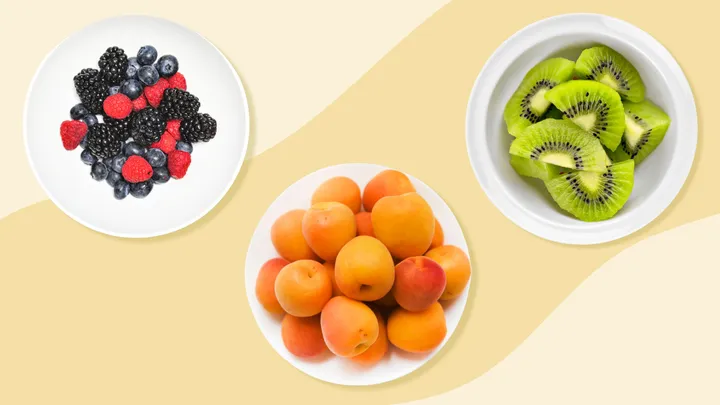
These juicy fruits need to stay out of the fridge to keep ripening and maintain their natural sweetness. Refrigerating them can stunt their flavor development and cause them to spoil faster. So, store them at room temperature in your fruit bowl for optimal freshness.
14. Peanut Butter
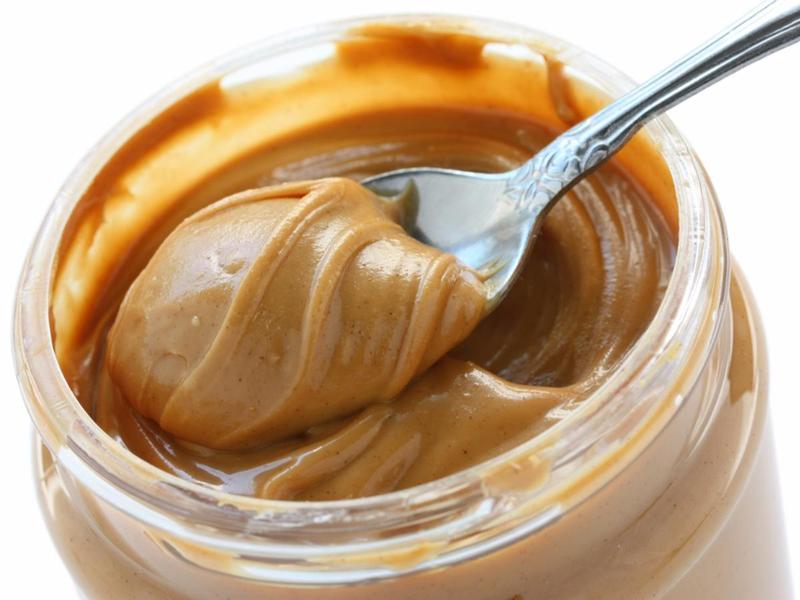
Who doesn’t love a good peanut butter spread? If you’re keeping your peanut butter in the fridge, you’re making it harder to spread! Keep it in your pantry, where it can stay creamy and spreadable. Whether you prefer crunchy or smooth, peanut butter is much better at room temperature.
15. Flour
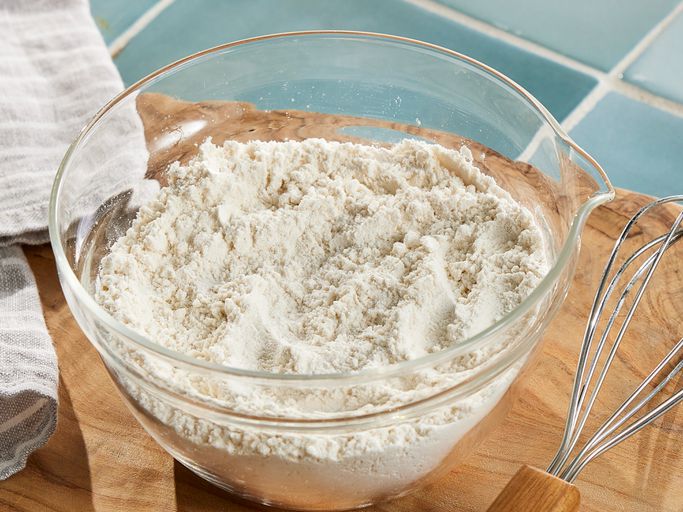
Flour doesn’t need to be refrigerated unless you live in a very warm, humid environment. Otherwise, keep it in a dry, cool place in your pantry. Refrigeration isn’t necessary and will only take up precious space in your fridge.
16. Eggs
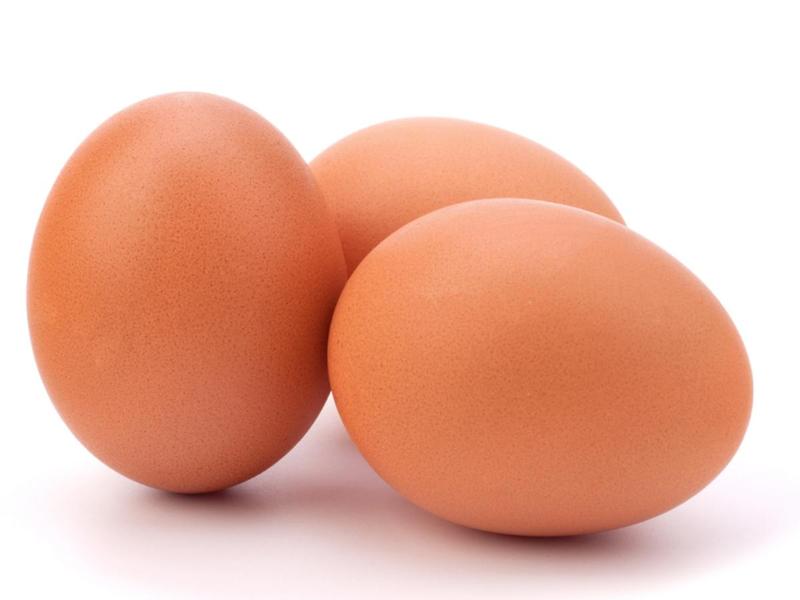
Egg storage is a hot debate, but here’s the thing: eggs stay fresher longer when refrigerated, but they actually taste better when left at room temperature. Decide what works best for you, but remember, if you store eggs in the fridge, it can extend their shelf life.
17. Salad
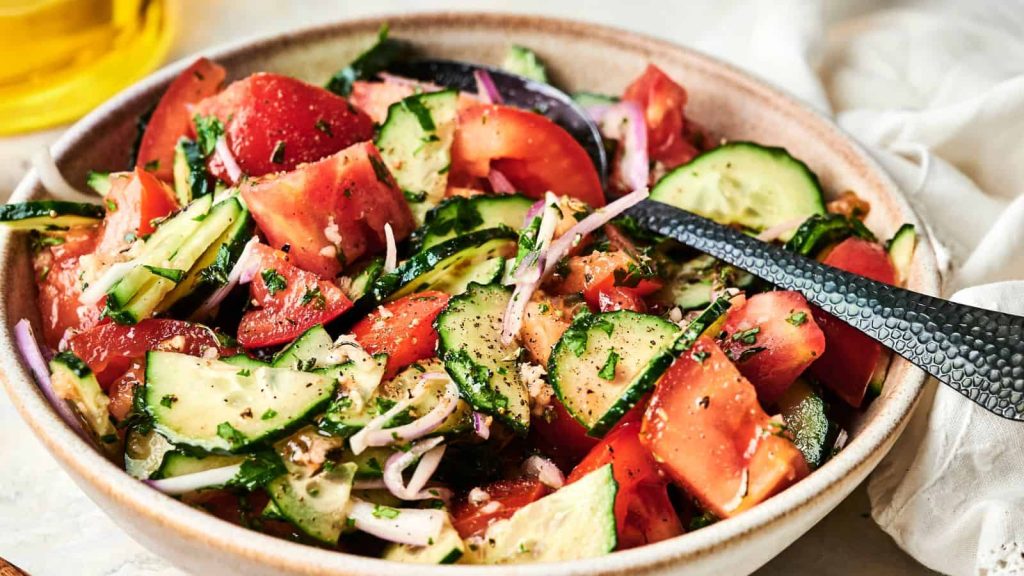
While pre-made salads may seem like they need refrigeration, fresh greens actually do better in a cool, dry place, out of the fridge. The cold can make your lettuce go limp and soggy faster than you can say “Caesar salad,” so eat your salad soon after prep for maximum freshness.
Knowing which foods should never go in your fridge is a game changer in the kitchen. By following these simple tips, you can preserve flavor, texture, and nutritional value while saving space in your fridge. So, next time you’re unpacking groceries, be mindful of these food storage rules—your taste buds (and your fridge) will thank you!