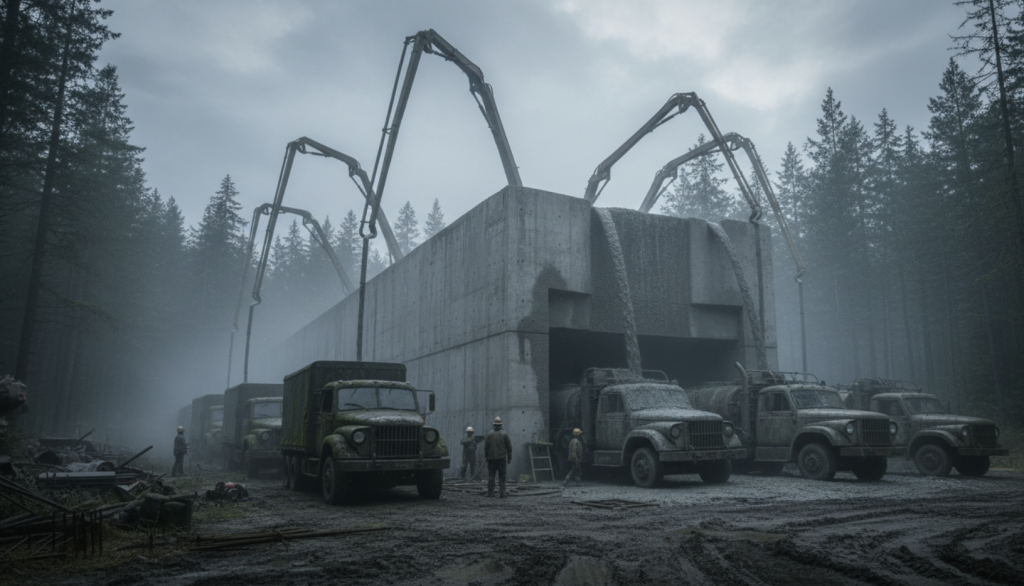
The controller screen suddenly exploded into static, as if someone had severed the connection cable. The last thing I saw in 4K resolution wasn’t trees, but strange, angular shapes of rusted metal. My three-thousand-dollar drone plummeted into the green abyss of the taiga.
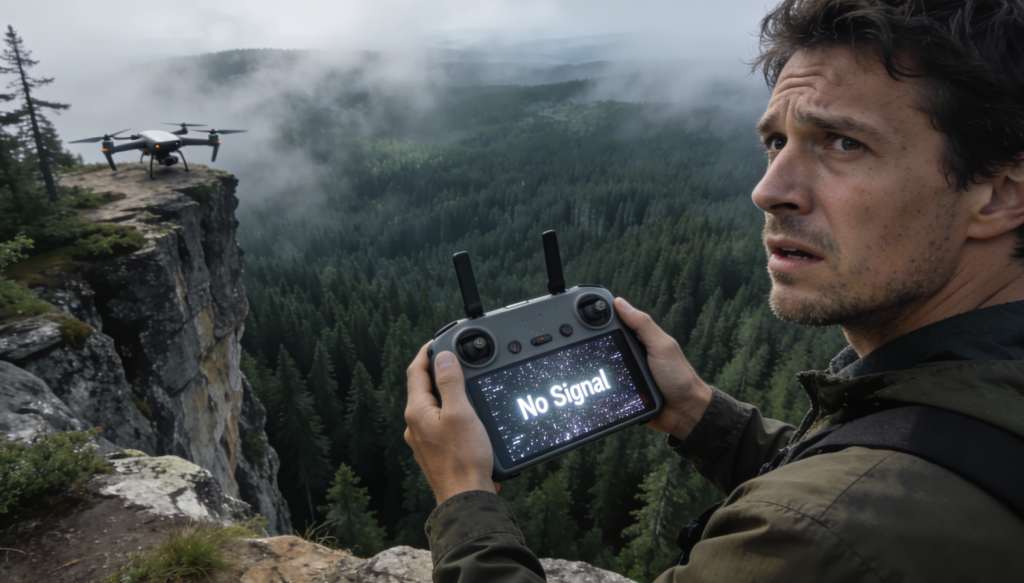
I stood at the edge of the cliff, the cold wind cutting through my jacket. It wasn’t just a signal loss; it looked like purposeful jamming. In this part of the forest, there shouldn’t be anything but bears and ancient pines.
I checked the GPS tracker—it showed the last known location two kilometers away, deep in a gorge. Locals called this place “Silent Valley” and avoided it religiously. Now I realized their superstitions might have a very material basis.
I returned to my jeep and grabbed my emergency kit, checking the battery levels on my flashlights. The sun was already setting, painting the sky an alarming shade of crimson. I decided to descend, unaware this hike would split my life into “before” and “after.”
The descent was a nightmare of wet rocks and thick undergrowth that grabbed at my clothes like living hands. My jeep remained at the top, reduced to a tiny speck. Twice I nearly slipped, the soil crumbling under my boots into the darkness below.
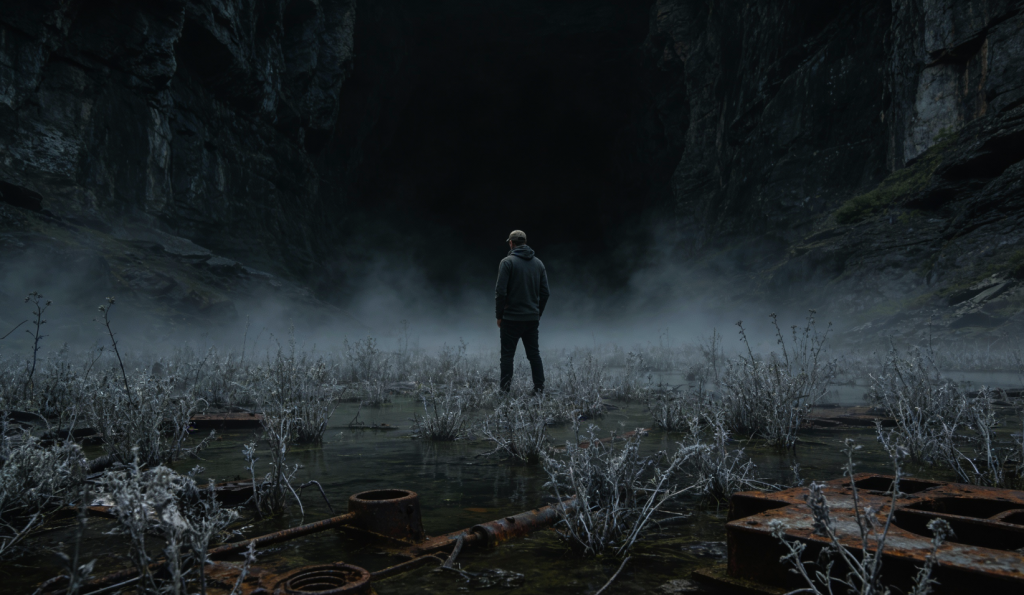
At the bottom, the air was heavy and stagnant, smelling not of pine needles, but of oxidized metal and grease. The silence here was absolute, unnatural for a living forest. No birds, no rustling leaves—just the thumping of my own blood in my temples.
I hacked through the fern thickets for another hour until I hit a rusted chain-link fence, flattened by time. Beyond it lay a clearing that didn’t exist on any satellite map. I switched on my high-beam flashlight, and the light hit a wall of metal.
They weren’t rocks, as I had thought from the air. They were trucks. Hundreds of military trucks, lined up in perfect rows like an army frozen in anticipation of an order.
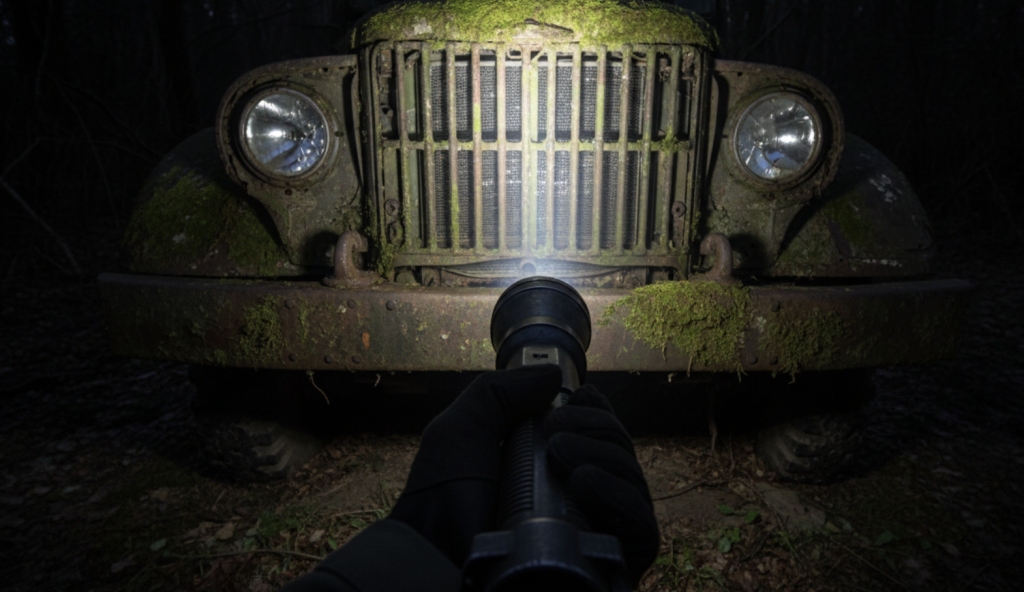
I approached the nearest transport, its cab covered in moss, tires long since rotted away. But it wasn’t the abandonment that struck me, but how they were left. The doors weren’t just closed; they were wrapped in thick chains.
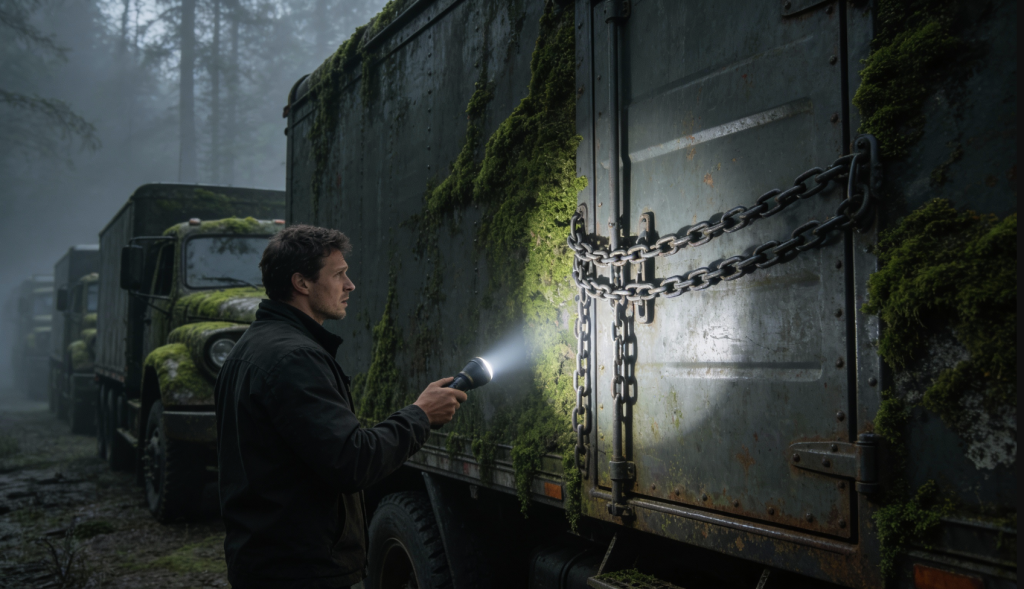
I shined my light on the next vehicle—the same thing: chains threaded through handles and welded to the frame. Huge padlocks hung heavy, coated in layers of decades-old rust. Someone very clearly wanted to ensure no one got inside.
Or, more terrifyingly, to ensure nothing got out. A chill ran down my spine despite the humid air of the valley. I found my drone lying on the hood of an all-terrain vehicle, its red LED blinking like a lighthouse in the night.
I retrieved the drone, but curiosity overpowered my instinct for self-preservation. Why preserve empty trucks in the middle of nowhere? I pulled a pair of bolt cutters from my backpack, a tool I always carried for off-roading.
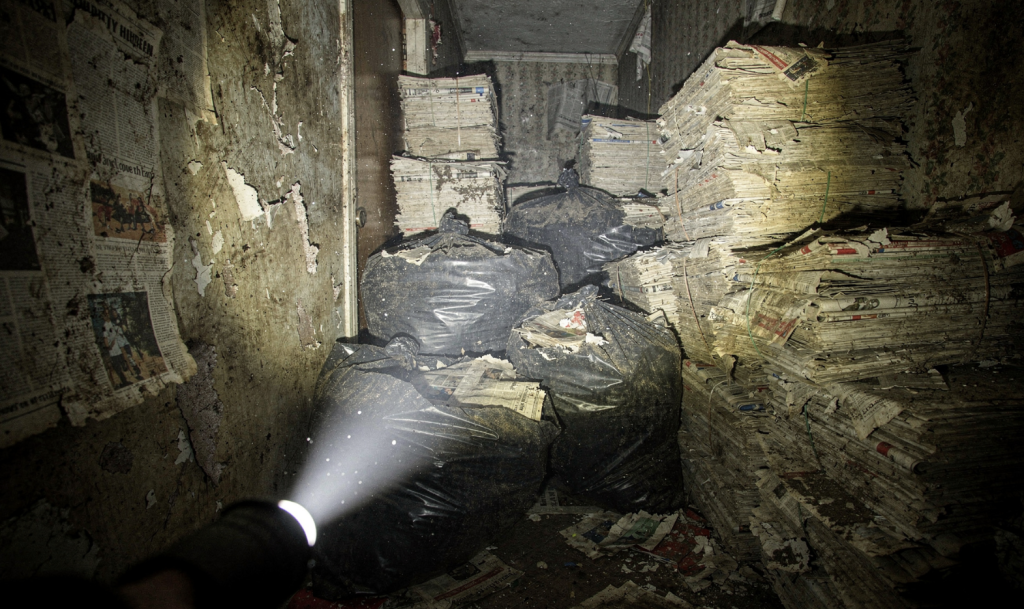
The metal chain gave way with a loud snap that echoed across the dead valley. I struggled to open the door; the hinges shrieked, resisting decades of corrosion. A puff of dry, dusty air escaped the cab, scratching at my throat.
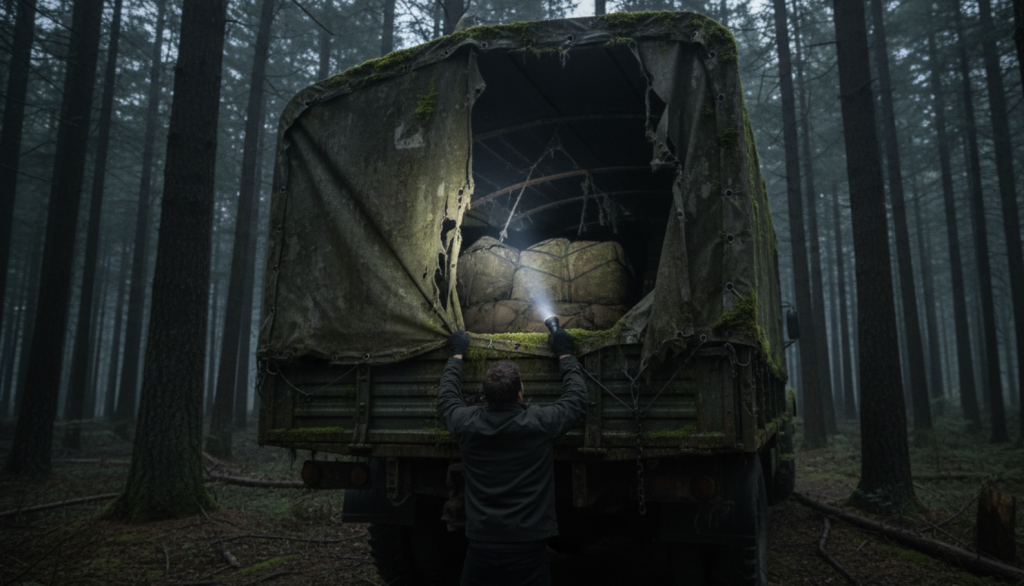
On the seat lay an old clipboard with maps and a gas mask, the rubber already melting from age. But the most interesting part was the cargo bay. I climbed into the back, shining my flashlight into the canvas-covered darkness.
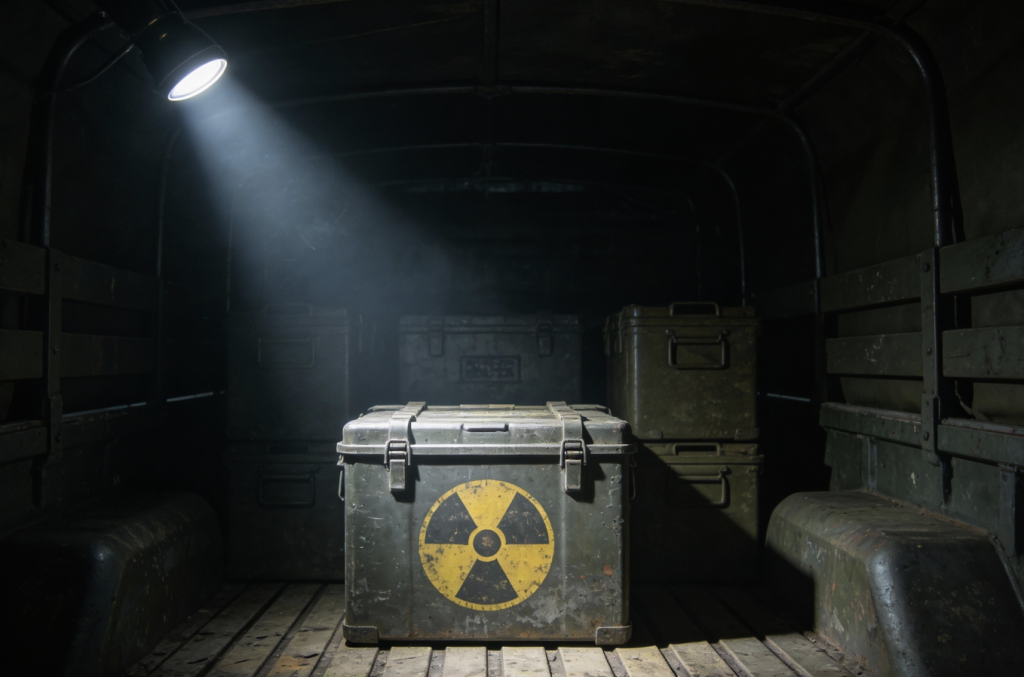
There were containers inside. Not ordinary wooden crates, but lead-lined boxes with markings that made my blood run cold. Yellow triangles with a black trefoil were barely visible under a layer of grime.
Radiation. I stumbled back, hitting my spine against the truck’s tailgate. This wasn’t just a vehicle graveyard; it was a waste tomb hidden in the forest. I reached for my phone, but of course, there was no service.
Suddenly, I heard a sound that made me freeze. It wasn’t the wind. It was the sound of an engine—distant, but approaching. Someone else knew the way into this valley.
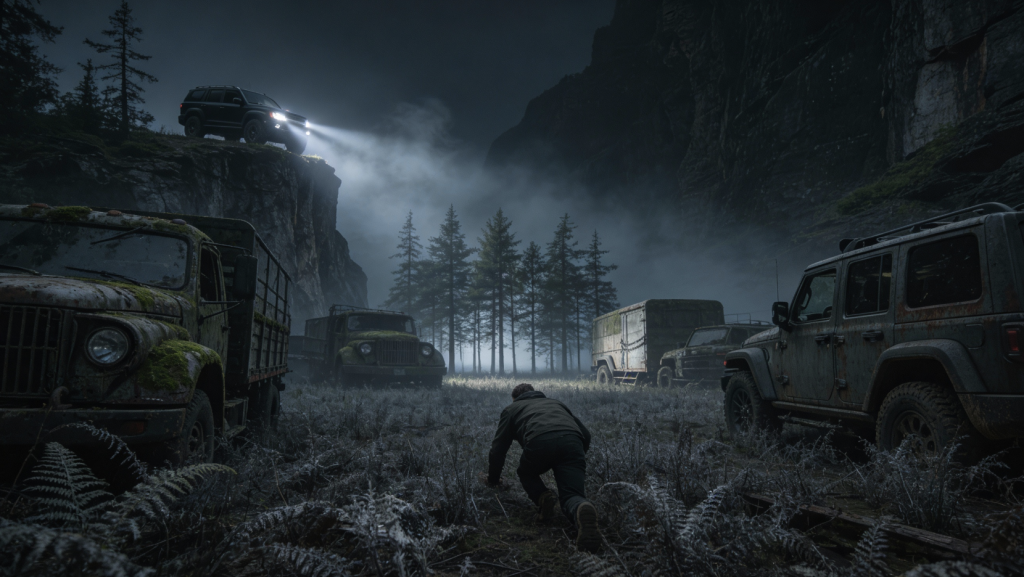
I jumped out of the truck bed and dove into the tall grass under the wheels of a neighboring vehicle. Headlights cut through the darkness above the cliff where I had descended. A patrol was coming, and they clearly weren’t tourists.
I crawled toward the edge of the forest, trying to make no sound. My hands were shaking, and it wasn’t just fear. I felt a strange metallic taste in my mouth—the first sign I had been here too long.
I escaped the valley by a different trail, abandoning some gear but keeping the drone footage. The climb took three hours, and every movement felt like a struggle. When I reached the jeep, I vomited right onto the tire.

I drove to the nearest town without stopping. At a motel, I scrubbed myself in the shower, trying to wash off the dust of the “dead valley,” but the fear wouldn’t wash away. I started digging into archives using a secured connection.
The internet was silent. No records of a testing ground, no disposal reports. This valley didn’t officially exist. I needed someone who remembered the Cold War from experience, not textbooks.
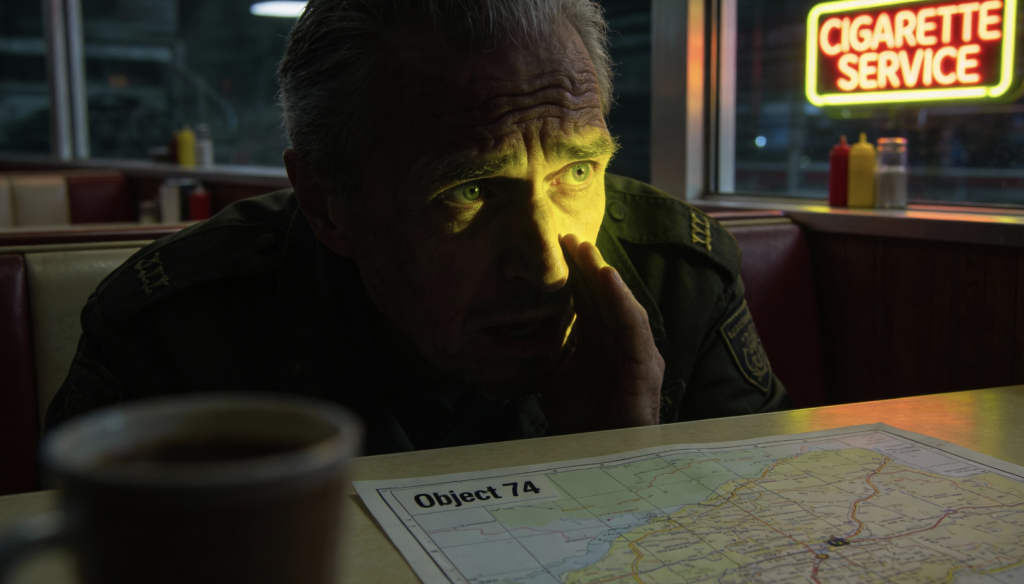
Through urban exploration forums, I found a retired engineering colonel living in the suburbs. He hung up at first, but when I mentioned “Object 74″—the marking I saw on the truck map—he agreed to meet.
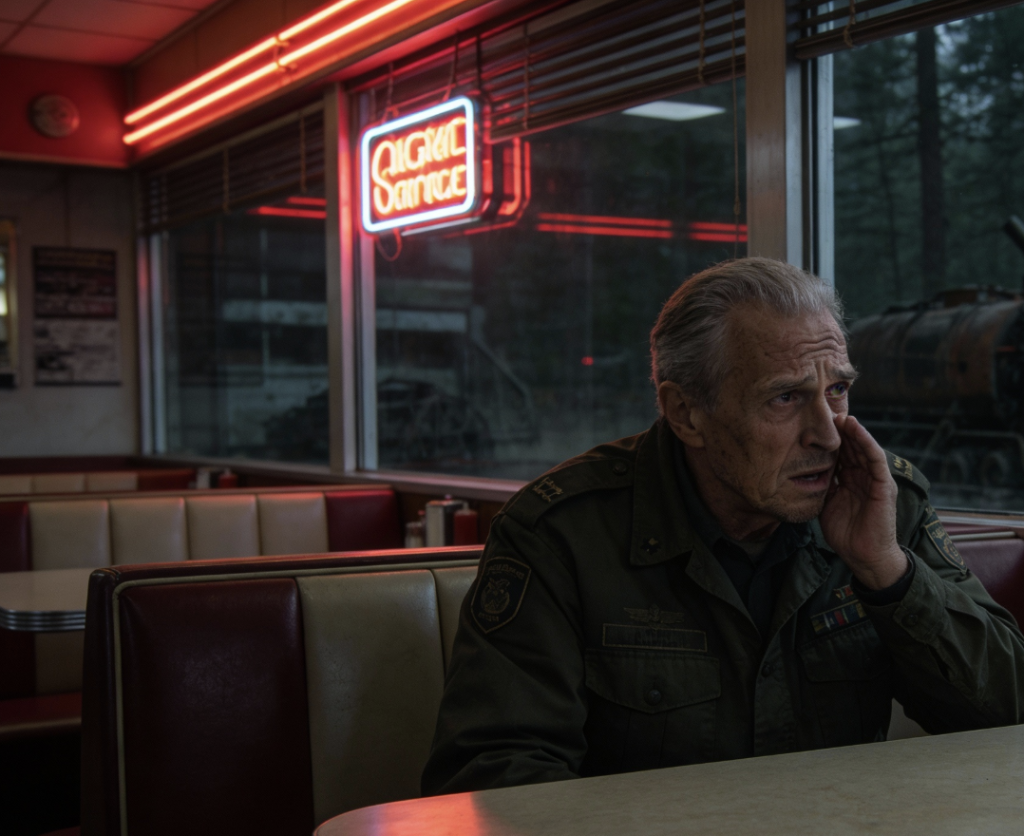
We met at a roadside diner. He looked tired and frightened, his hands trembling as he looked at my drone photos. “We thought they poured concrete over it,” he whispered.
“It’s not just waste,” he said, lowering his voice. “It’s the remnants of failed experiments with mobile reactor fuel. The trucks were supposed to transport it to a repository, but the order was canceled. They were just abandoned and locked.”
He told me the drivers of that convoy died within a year of the operation. The valley was cordoned off, but when the funding dried up, the guards left and the records were destroyed. “You woke up a ghost, kid,” he told me before leaving.
I sat in my car, staring at the folder of evidence. If I published this, the people patrolling the forest might find me. But if I stayed silent, radioactive rust would eventually leach into the groundwater.
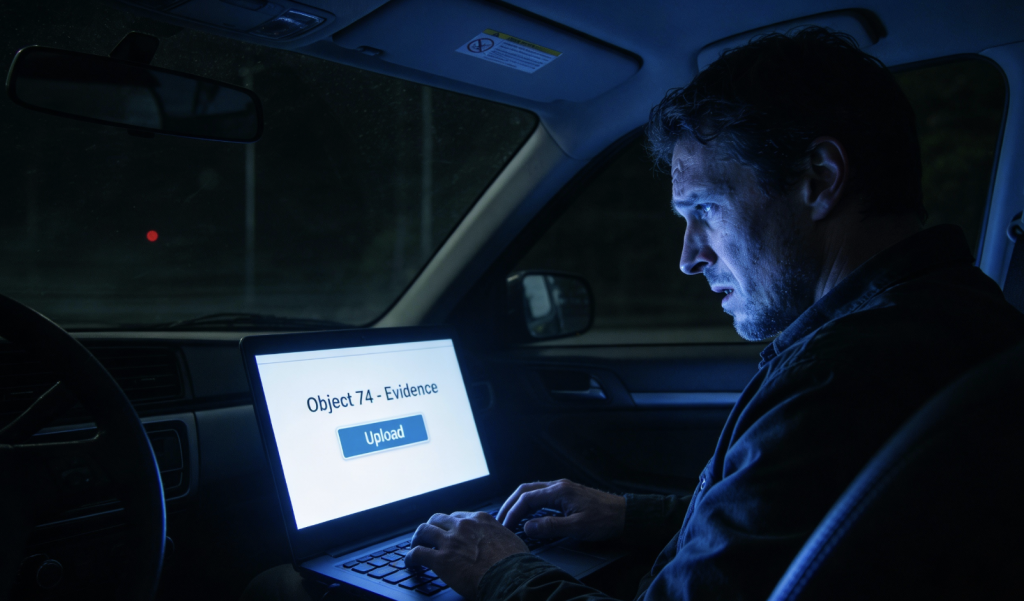
The metallic taste returned to my mouth. I remembered the families living in the settlements downstream from that valley. The choice stopped being difficult.
I hit “Send.” The story went viral instantly. Journalists called within an hour; two hours later, someone was pounding on my motel room door. But I was already miles away.
The scandal was massive. Federal authorities denied everything at first, calling my photos fakes. But when independent environmentalists reached the site with Geiger counters, denial became impossible. The radiation levels were thousands of times over the limit.
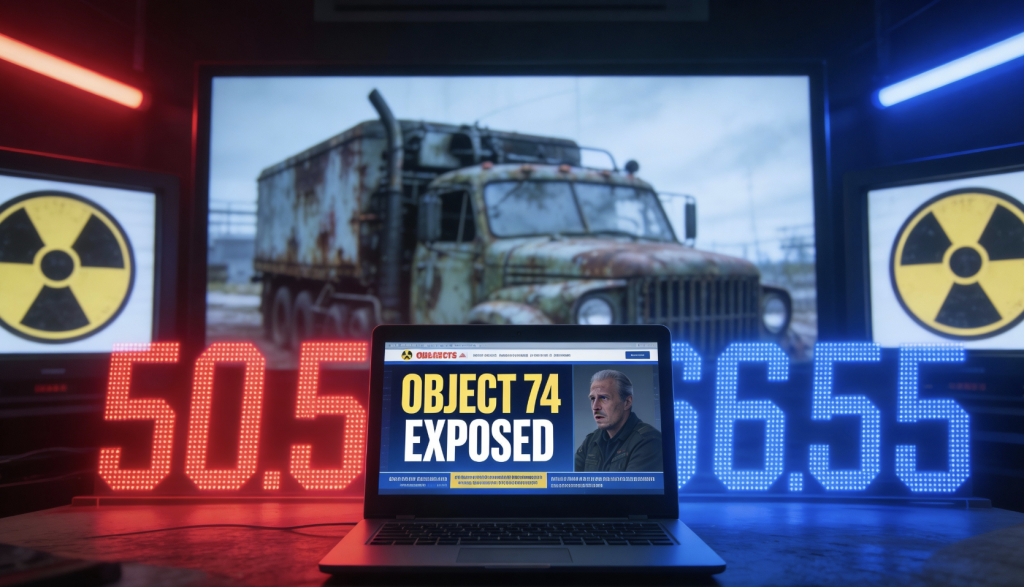
Now, the valley is finally being properly contained. Concrete sarcophagi will cover those trucks forever. I don’t fly drones in the wilderness anymore. I found a new hobby—safe and boring.
But sometimes at night, I wake up tasting iron. Doctors say I’m healthy, that I received a minimal dose. But I know: some things, once opened, can never be fully closed.
I look at the map and see dozens more “blank spots” in the wild. And I wonder: how many more valleys are waiting for a drone to lose its signal?