It all began with a single image.
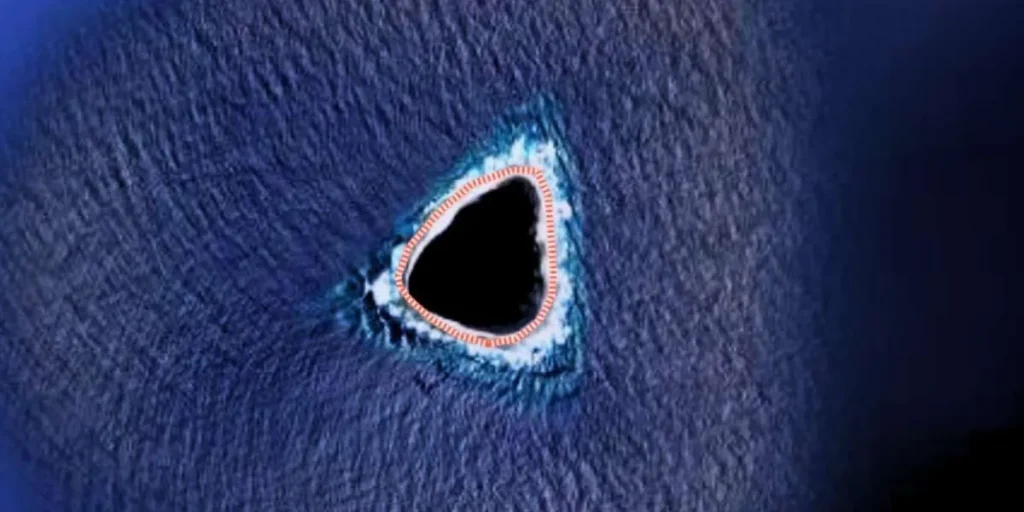
A satellite shot from Google Maps showing what looked like a massive black hole in the middle of the Pacific Ocean.
No texture. No blue water. Just a perfect void — as if someone had erased a piece of the planet.
When a Reddit user shared it with the caption “What the F**k, this looks nothing like an island,” the post instantly went viral.
The Internet’s Obsession With the “Black Island”
Thousands of users began speculating what this eerie spot could be.
Some were convinced it was censored by Google — a possible secret military base, a testing site, or even an alien landing zone.
Others took a lighter approach, comparing it to “God’s lost guitar pick” or “a hole burned into the Earth.”
Still, the darker theories kept spreading. The island looked too black, too unnatural. Something about it felt deliberately hidden.

Was Google Hiding Something?
Internet detectives quickly pointed out that Google Maps has a history of blurring restricted areas, from military installations to nuclear testing grounds.
So when users discovered a jet-black shape in the middle of the Pacific, it seemed like confirmation: this was something we weren’t meant to see.
TikTok creators made theories comparing it to Area 51, while YouTubers broke down satellite data frame by frame, insisting that “something big” was there.
But then, one sharp-eyed observer noticed something others had missed — faint traces of green along the edges of the darkness.
The Truth Behind the “Black Hole” — Vostok Island
The mystery spot turned out to be very real.
It wasn’t a glitch, and it wasn’t censored.
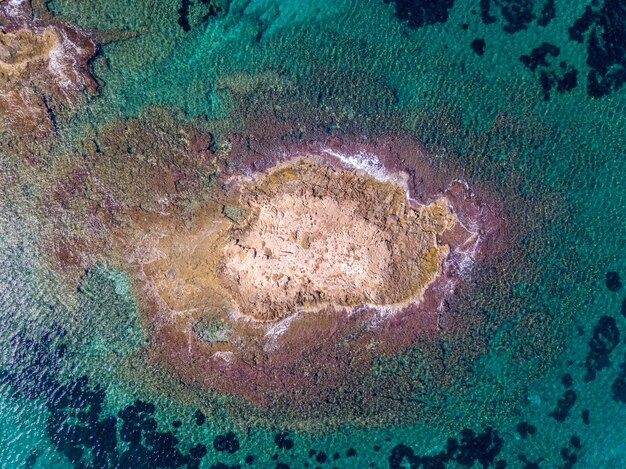
It was Vostok Island, a tiny coral island belonging to the Republic of Kiribati, located deep in the central Pacific Ocean.
The island was discovered in 1820 by Russian explorer Fabian Gottlieb von Bellingshausen, who named it after his ship, “Vostok” — which means “East” in Russian.
But why does it look so dark?
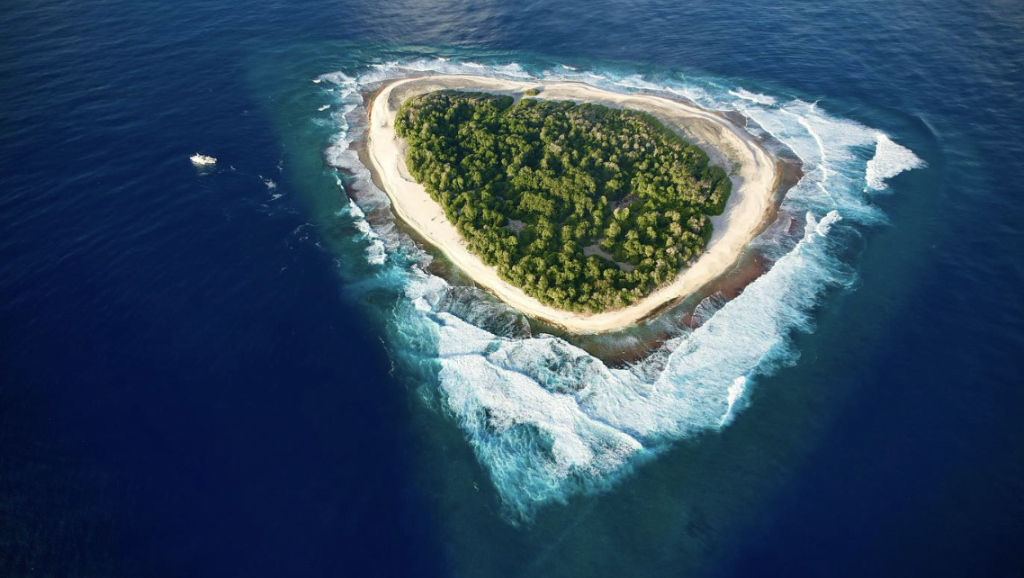
The reason is simple and stunning: Vostok is completely covered by Pisonia grandis, a species of tropical tree with deep, dark green leaves. The forest is so thick that from above, it absorbs light, appearing jet black on satellite images.
So, what the world thought was a hole in the ocean was actually one of nature’s most extraordinary optical illusions.
What Lives on Vostok
Despite its ghostly satellite appearance, Vostok Island is a thriving ecosystem.
It’s uninhabited by humans but home to tens of thousands of seabirds — frigatebirds, terns, and red-footed boobies.
The forest floor is littered with fallen branches and nests, creating an eerie but vibrant natural fortress.
The island’s surrounding waters are just as alive. Beneath the waves lies one of the most pristine coral reefs on the planet.
Marine explorer Enric Sala, who dove near Vostok, once described it as “a living time capsule.”
“Massive schools of fish, clear water, coral like cathedrals, and sharks gliding through the silence,” he recalled. “It feels like a world untouched by time.”
Why You’ll Never Visit Vostok
Vostok Island remains off-limits for most travelers.
It has no freshwater, no infrastructure, and is surrounded by a razor-sharp coral reef that makes landing nearly impossible.
The island is part of the Phoenix Islands Protected Area, one of the largest marine conservation zones on Earth. Even scientists need special permission to study it.
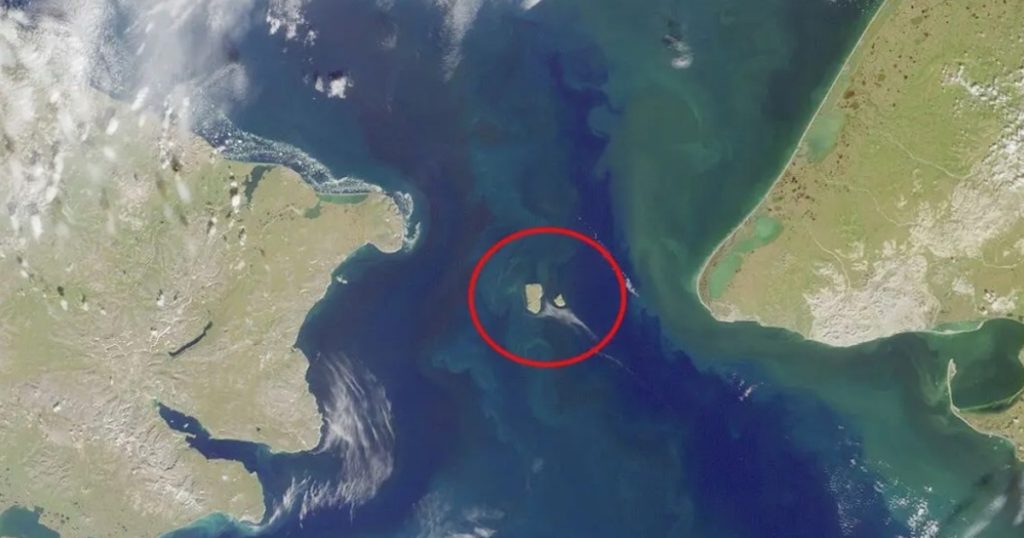
It is, in every sense, a piece of the world left untouched.
The Mystery That Fooled the Internet
The “black hole” of the Pacific wasn’t hiding a secret base — it was hiding one of the last wild sanctuaries of our planet.
A forest so dense it swallowed the light, a reef so alive it glows beneath the waves, and a mystery that reminded the world how much of Earth remains unknown.
In an age when satellites capture every corner of the globe, Vostok Island is proof that true mystery still exists — not in space, but here on our own planet.